


If you’ve ever walked into a fishing shop or browsed online, you’ve probably noticed how loosely the termsfishing accessories,fishing tackle,fishing gear, andfishing equipment are used. For beginners, it can feel overwhelming. For experienced anglers, these words all mean something slightly different—but they point to the same goal:having the right tools to fish efficiently and enjoyably.
This guide is written from real, hands-on experience and breaks down what each term actually means, what truly matters, and how to build a setup that works in real fishing conditions—not just in theory.
Fishing Tackle: The Core of Fishing
Fishing tackle usually refers to the essential items directly involved in catching fish. This is the gear that interacts with the fish itself.
Common fishing tackle includes:
- Rods and reels
- Fishing line
- Hooks, sinkers, swivels
- Lures and bait
From experience, quality fishing tackle doesn’t have to be the most expensive—it just needs to bereliable. A reel that performs smoothly under load or a line that doesn’t fail when it matters will outperform flashy gear every time.
Fishing Gear: The Bigger Picture
Fishing gear is a broader term that includes tackle, but also everything else you bring along to make fishing possible and efficient.
Fishing gear typically covers:
- Fishing tackle
- Nets and traps
- Storage boxes and tackle bags
- Safety gear like gloves and cutters
When people say “grab your fishing gear,” they usually meaneverything needed for the trip, not just rods and hooks.
Experienced anglers think in terms of systems, not individual items. How all your fishing gear works together matters more than any single piece.
Fishing Equipment: Tools That Do the Heavy Work
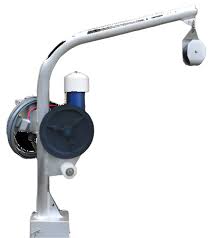
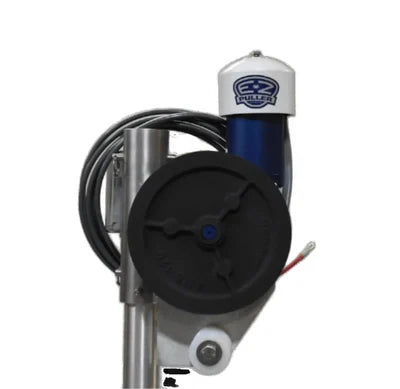
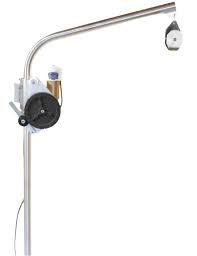
Fishing equipment usually refers to the more mechanical or specialized tools that support fishing activities—especially when heavy lifting or repeated effort is involved.
Examples of fishing equipment include:
- Pullers and haulers
- Winches
- Davits
- Net rollers
From real-world use, this category is often overlooked by beginners but highly valued by experienced fishermen. Once you start hauling traps, nets, or heavy lines regularly, proper fishing equipment becomes essential—not optional.
Companies likeEZ Puller Inc. focus specifically on this side of fishing equipment, helping anglers reduce physical strain and work more efficiently on the water.
Fishing Accessories: The Small Things That Matter
Fishing accessories are the supporting items that don’t always get attention—but make a big difference in comfort, safety, and efficiency.
Common fishing accessories include:
- Gloves
- Measuring tools
- Line cutters and pliers
- Bait containers
- Buoys and markers
In practice, fishing accessories are often what separate a smooth day from a frustrating one. Forgetting a basic accessory like a good pair of gloves can turn a productive trip into a painful experience.
How Experienced Anglers Think About Gear
One thing you learn with time is thatfishing success comes from balance. You don’t need everything—but you do need the right things.
From hands-on experience, the most effective anglers:
- Invest in dependable fishing tackle
- Choose fishing gear that fits their style and target species
- Use proper fishing equipment to reduce fatigue
- Rely on fishing accessories to stay organized and safe
It’s not about having the most gear—it’s about having gear that works together.
Real-World Example: Why Equipment Upgrades Matter
I once watched two anglers run the same traps in the same water. One pulled everything by hand, the other used proper hauling equipment. By midday, the difference was obvious:
- One was tired and checking fewer traps
- The other was relaxed, efficient, and checking more often
The catch difference came down toefficiency, not location or bait. That’s the power of the right fishing equipment.
Common Mistakes When Buying Fishing Gear
From experience, these mistakes show up again and again:
- Buying cheap gear that fails under pressure
- Ignoring equipment that reduces physical strain
- Overloading on accessories while skipping essentials
- Not matching gear to boat size or fishing style
Smart gear choices save time, money, and energy over the long run.
FAQ: Fishing Accessories, Tackle, Gear, and Equipment
What’s the difference between fishing tackle and fishing gear?
Fishing tackle refers to rods, reels, and hooks, while fishing gear includes everything used on a fishing trip.
Do I need specialized fishing equipment?
If you haul traps, nets, or heavy gear regularly, specialized equipment can make fishing safer and far more efficient.
Are fishing accessories really necessary?
Yes. Small tools often prevent bigger problems and improve comfort and safety.
How do I know what fishing gear I really need?
Start with your target species, fishing location, and how often you fish—then build your setup around those needs.
Final Thoughts: Build a Smarter Fishing Setup
Fishing doesn’t have to be complicated—but it does reward preparation. Understanding the difference betweenfishing accessories,fishing tackle,fishing gear, andfishing equipment helps you make smarter choices and avoid unnecessary frustration.
AtEZ Puller Inc., the focus is on fishing equipment that solves real problems—especially when it comes to hauling and handling gear efficiently. Their solutions are designed for anglers who spend real time on the water and want tools that work as hard as they do.
If you’re looking to upgrade your fishing setup or make your days on the water easier and more productive, choosing the right equipment is one of the best investments you can make.