

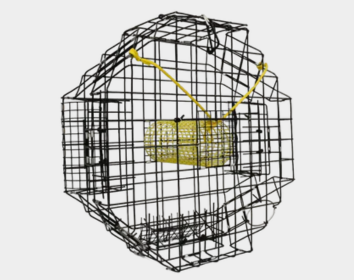

If you’ve spent any real time crabbing—whether it’s a few weekends a year or a full season—you learn pretty quickly that success isn’t just about luck. It’s about using the right gear in the right way. I’ve watched people drop expensive equipment and come up empty, while others with a simpler setup consistently pull full catches. The difference almost always comes down to how well they understandcrab pots, crab nets, and how they’re pulling their gear.
This guide is based on hands-on experience and practical use, not theory. If you’re serious about crabbing and want results you can repeat, this will help you make smarter choices.
Understanding the Basics: Crab Pots vs. Crab Nets
When Crab Pots Make the Most Sense
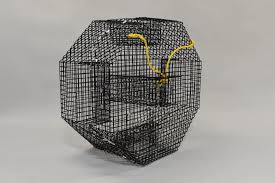
Crab pots are designed to work while you’re not actively watching them. Once baited and set, they sit on the bottom and continuously attract crabs over time. For anyone who wants consistent results—especially in deeper water or stronger current—pots are usually the most reliable option.
From experience, crab pots work best when:
- You’re fishing multiple locations
- You plan to leave gear down for several hours or overnight
- You want to catch more than just a few crabs at a time
A properly weighted and baited pot can keep fishing even when you’re doing something else, which is why many serious crabbers rely on them season after season.
Where Crab Nets Still Shine
Acrab net is much more hands-on. You’re actively lowering, waiting, and pulling—often watching closely for the right moment. Crab nets work especially well in:
- Shallow water
- Around docks, piers, and shoreline edges
- Situations where regulations don’t allow traps
Crab nets are great for quick trips or introducing someone new to crabbing. That said, they require patience and timing. Pull too fast, and you lose the crabs. Wait too long, and they wander off.
Many experienced crabbers actually useboth—nets for quick action and pots for steady production.
The Real Work Starts When It’s Time to Pull
Anyone who’s hauled gear by hand knows that crabbing isn’t hard because of setting—it’s hard because ofpulling. Crab pots get heavy fast, especially once they’re loaded, covered in growth, or pulled from deeper water.
This is where acrab puller becomes a game-changer.
Why a Crab Puller Makes Such a Big Difference
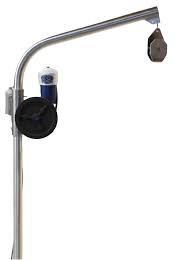
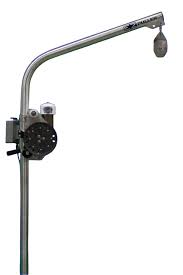
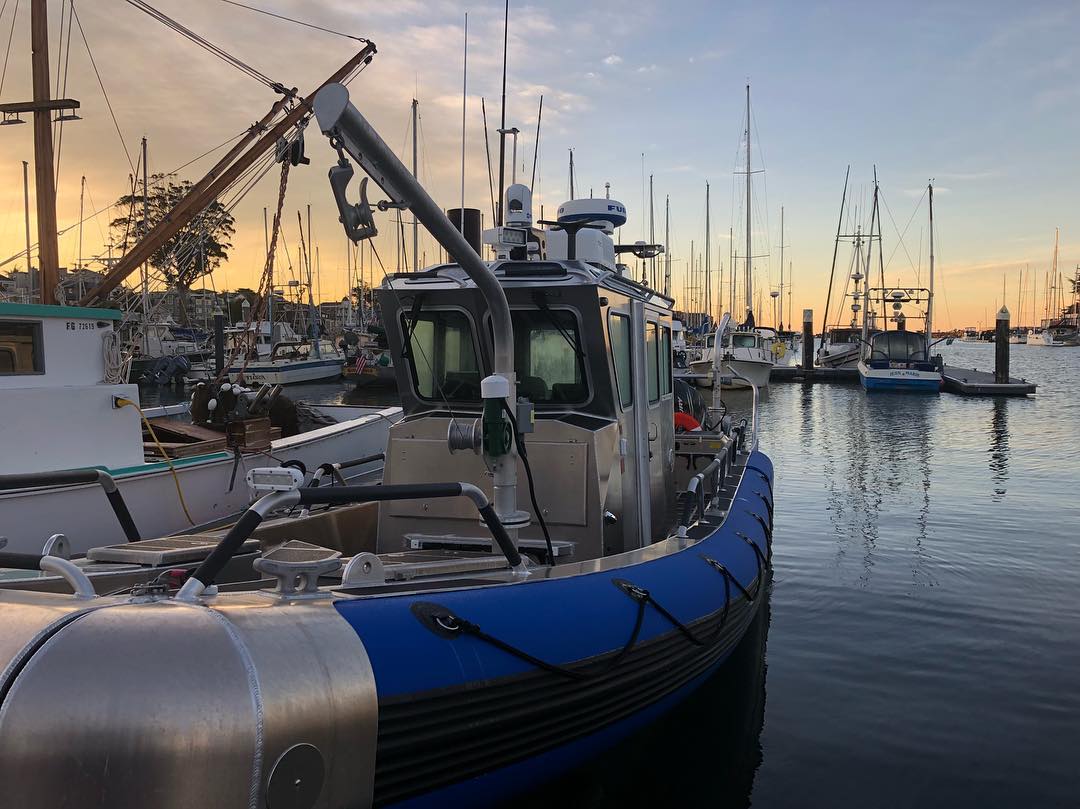
Acrab puller is designed to lift crab pots smoothly and safely using mechanical assistance instead of brute strength. After seeing countless backs and shoulders wear down over a season, I can say with confidence: this is one upgrade people wish they’d made sooner.
Using a crab puller:
- Reduces physical strain
- Makes frequent checks realistic
- Speeds up the entire process
- Improves safety in rough or windy conditions
Once you can pull without exhausting yourself, you start checking pots more often—and that alone usually leads to better catches.
Real-World Example: More Pulls, More Crabs
I’ve seen this firsthand many times. One boater I spoke with was running the same crab pots in the same area year after year. The only change he made was adding a crab puller. Suddenly, instead of checking once a day, he could check two or three times without fatigue. His catch numbers went up noticeably—not because the pots changed, but because theprocess became easier.
Efficiency matters more than most people realize.
Choosing the Right Setup for Your Style
There’s no one-size-fits-all solution. The best setup depends on:
- Water depth
- Current strength
- Boat size
- How often you plan to pull
For shallow water and short trips, a crab net might be all you need. For deeper water or longer sets, crab pots paired with a crab puller are hard to beat.
What experienced crabbers learn quickly is this:the right gear doesn’t just save effort—it increases results.
Common Mistakes That Cost You Crabs
Over the years, I’ve noticed the same mistakes over and over:
- Leaving crab pots too long without rebaiting
- Pulling nets too aggressively
- Avoiding frequent checks because pulling is tiring
- Using gear that doesn’t match conditions
Most of these problems disappear once hauling becomes easier.
FAQ: Crab Pots, Crab Nets, and Pulling Gear
Are crab pots better than crab nets?
Crab pots are more consistent for longer soaks, while crab nets work well for short, hands-on trips in shallow water.
How often should crab pots be pulled?
From experience, every 6–12 hours is ideal for most conditions, depending on bait and location.
Do I really need a crab puller?
If you’re running more than one pot or fishing deeper water, a crab puller can make a huge difference in comfort and efficiency.
Can beginners use crab pots successfully?
Absolutely. With proper placement and bait, crab pots are very beginner-friendly.
Final Thoughts: Work Smarter, Not Harder
Crabbing doesn’t have to be exhausting to be productive. Whether you’re usingcrab pots for steady results, acrab net for hands-on fishing, or upgrading with acrab puller to save your body, the goal is the same: consistent catches with less effort.
AtEZ Puller Inc., the focus is on real-world solutions built for people who actually work the water. Their equipment is designed around practical experience, not guesswork—helping crabbers spend less time struggling and more time pulling results.
If you’re ready to make crabbing easier, safer, and more productive, it may be time to upgrade how you pull your gear. Reach out to the team at EZ Puller Inc. to learn more or get guidance on the right setup for your boat and fishing style.