

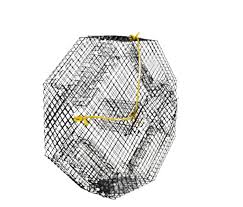

If you’ve ever gone shrimping—whether from a small skiff, a dock, or a working boat—you quickly learn that shrimping is less about luck and more about using the right gear the right way. I’ve seen people try to shortcut the process with whatever equipment they had on hand, only to get frustrated with poor results. On the other hand, those who understandshrimp pots, shrimp traps, shrimp nets, and how to pull them efficiently tend to have far more consistent success.
This guide is written from real, hands-on experience and explains what actually works on the water, not just what sounds good on paper.
Shrimp Pots vs. Shrimp Traps: Are They the Same Thing?
Let’s clear up one of the most common questions right away.
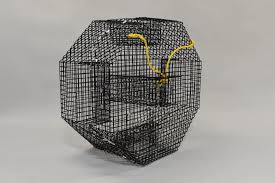
Shrimp pots and shrimp traps are essentially the same thing.
Just like with lobster and crab gear, the difference is mostly in terminology.
- Many fishermen casually sayshrimp pots
- Regulations and manufacturers often useshrimp trap
Both refer to a baited enclosure designed to:
- Sit on the bottom
- Attract shrimp using scent
- Allow shrimp to enter easily
- Reduce escape once inside
So if you hear both terms used interchangeably, that’s completely normal—they describe the same type of gear.
How Shrimp Pots Actually Perform in Real Conditions
Shrimp pots are designed to fish continuously. Once baited and set, they do the work for you while you wait. From experience, they’re especially effective when:
- You’re fishing deeper water
- You want to leave gear down for several hours
- You’re targeting steady, repeatable catches
The biggest advantage of shrimp pots is consistency. Instead of actively watching a net, you let the trap work and come back later to check it.
That said, shrimp pots can get heavy—especially once they’re full, covered in growth, or pulled from depth. That’s where hauling equipment becomes important.
Where a Shrimp Net Still Has a Place
Ashrimp net is much more hands-on and immediate compared to a pot or trap. Shrimp nets are commonly used for:
- Shallow-water shrimping
- Dock or shoreline shrimping
- Quick, active shrimping trips
Shrimp nets can be very effective when shrimp are moving in large numbers near the surface or along structure. However, they require constant effort, timing, and attention.
From real-world use, many experienced shrimpers rely onboth:
- Shrimp nets for short, active sessions
- Shrimp traps or pots for longer, set-and-wait fishing
Each tool has its place depending on conditions and how much time you want to spend actively working.
The Most Overlooked Part of Shrimping: Pulling the Gear
Ask anyone who’s done it long enough, and they’ll tell you the same thing:pulling shrimp pots is the hardest part of shrimping.
Between:
- Wet lines
- Loaded traps
- Depth and current
- Repeated pulls throughout the day
Hand-hauling quickly becomes exhausting. This is exactly why many serious shrimpers rely on ashrimp puller.
Why a Shrimp Puller Makes a Big Difference
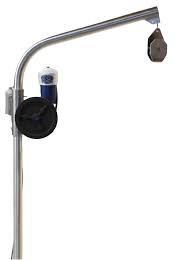
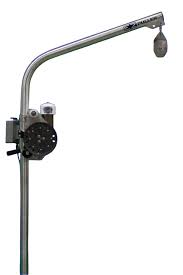
Ashrimp puller is designed to lift shrimp pots smoothly and consistently, reducing the physical strain of hauling by hand. After seeing countless backs and shoulders wear down over a season, it’s easy to understand why pullers are so popular.
From hands-on experience, a shrimp puller:
- Saves time on every haul
- Reduces fatigue and injury risk
- Makes frequent checks possible
- Improves safety in rough conditions
Once hauling becomes easier, shrimpers tend to check traps more often—and that alone usually leads to better results.
Real-World Example: Same Shrimp Traps, Better Results
I’ve seen this scenario play out many times. A shrimper runs the same shrimp traps in the same area for years. The only upgrade they make is adding a shrimp puller.
Suddenly:
- Traps are checked more often
- Bait stays fresher
- Shrimp aren’t sitting too long in the pot
The catch improves—not because the traps changed, but becauseefficiency improved. Shrimping rewards consistency more than brute strength.
Choosing the Right Setup for Your Shrimping Style
There’s no one-size-fits-all approach. The best setup depends on:
- Water depth
- Current strength
- Boat size
- How often you plan to pull traps
Many experienced shrimpers find the most success using:
- Shrimp pots or shrimp traps as primary gear
- Ashrimp puller for hauling
- Ashrimp net for shallow water or quick action
This combination gives flexibility and covers nearly every shrimping scenario.
Common Mistakes That Reduce Shrimp Catches
From years on the water, these mistakes come up again and again:
- Leaving shrimp traps too long without rebaiting
- Avoiding frequent pulls because hauling is tiring
- Using nets where pots would be more effective
- Setting traps without considering current and bottom type
Most of these issues disappear once the right tools are in place.
FAQ: Shrimp Pots, Shrimp Traps, Nets, and Pullers
Are shrimp pots and shrimp traps the same?
Yes. The terms are used interchangeably and describe the same type of gear.
Is a shrimp net better than a shrimp trap?
It depends on conditions. Nets are great for shallow, active shrimping, while traps are better for longer soak times.
How often should shrimp traps be pulled?
From experience, every 6–12 hours works well, depending on bait and conditions.
Do I really need a shrimp puller?
If you’re running multiple traps or fishing deeper water, a shrimp puller can make shrimping far easier and more productive.
Final Thoughts: Shrimp Smarter, Not Harder
Shrimping doesn’t have to be exhausting to be effective. Whether you’re usingshrimp pots,shrimp traps, or ashrimp net, the key is matching your gear to your conditions and making hauling as easy as possible.
With the right setup—especially when you add a reliableshrimp puller—you spend less time fighting your equipment and more time enjoying consistent catches.
For anyone serious about shrimping, upgrading how you handle your gear isn’t just a convenience—it’s one of the smartest investments you can make.