

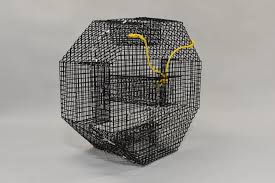

If you’ve ever spent time lobstering—whether recreationally on weekends or working gear more seriously—you already know this:success isn’t just about where you fish, it’s about how you handle your gear. Over the years, I’ve seen people argue about equipment choices at the dock, but once you’re actually on the water, the differences become very clear.
This article is written from real, hands-on experience and breaks down the tools most lobster fishermen rely on today:lobster pots, lobster traps, lobster nets, and lobster pullers—what they’re used for, how they differ, and how to choose the right setup.
Lobster Pots vs. Lobster Traps: Are They Different?
Let’s clear this up first, because it’s one of the most common questions.
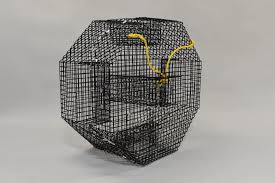
Lobster pots and lobster traps are the same thing.
The difference is mainly regional and traditional.
- In New England, especially Maine, most people saylobster pots
- In regulations and formal language, you’ll often seelobster trap
Functionally, they’re identical. Both are designed to:
- Sit on the ocean floor
- Attract lobsters with bait
- Allow entry through funnel-style openings
- Prevent easy escape
So if you hear both terms used interchangeably, that’s completely normal—they refer to the same piece of gear.
How Lobster Pots Actually Work in Real Conditions
A lobster pot does its job quietly and continuously. Once it’s baited and set, it fishes whether you’re there or not. That’s why pots are the backbone of lobster fishing.
From experience, lobster pots are most effective when:
- Placed along natural travel routes
- Set at the right depth for the season
- Hauled often enough to keep bait fresh
The pot itself is important, but what really determines success ishow efficiently you can pull, rebait, and reset it.
Where a Lobster Net Fits In
Alobster net plays a very different role than a pot or trap.
Lobster nets are usually used for:
- Hand-landing lobsters near docks or rocks
- Scooping lobsters spotted in shallow water
- Assisting when a lobster slips free near the surface
From hands-on use, a lobster net is not a replacement for a lobster trap—it’s asupport tool. It’s especially helpful when:
- You’re diving or free-lobstering
- You’re working close to shore
- You need quick control of a lobster at the surface
Most experienced lobster fishermen keep a lobster net on board, even if they rely primarily on traps.
The Hardest Part of Lobstering: Pulling the Gear
Anyone who has hauled lobster pots by hand knows this truth:pulling is the hardest part of the job.
Between:
- The weight of the trap
- Long lines
- Current and swell
- Marine growth
Hand-hauling takes a toll fast. This is exactly why modern lobster fishing relies on alobster puller.
Why a Lobster Puller Is a Game-Changer
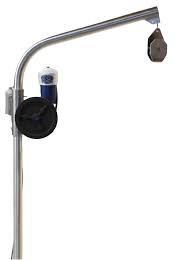
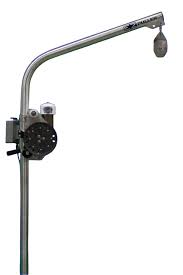
Alobster puller is designed to do the heavy lifting for you. It grips the line and pulls the lobster pot smoothly and consistently, saving your back, shoulders, and time.
From real-world experience, a lobster puller:
- Reduces physical strain dramatically
- Makes frequent checks possible
- Speeds up hauling and resetting
- Improves safety in rough conditions
Once someone switches to a lobster puller, it’s rare to see them go back to pulling by hand—especially if they’re running more than a couple of pots.
Real Example: Same Pots, Better Results
I’ve seen this scenario many times. A fisherman runs the same lobster traps in the same area year after year. The only change? Adding a lobster puller.
Suddenly:
- Pots get checked more often
- Bait stays fresher
- Lobsters aren’t sitting too long in the trap
The result is better catches—not because the pots changed, but becauseefficiency improved. Lobstering rewards consistency more than brute force.
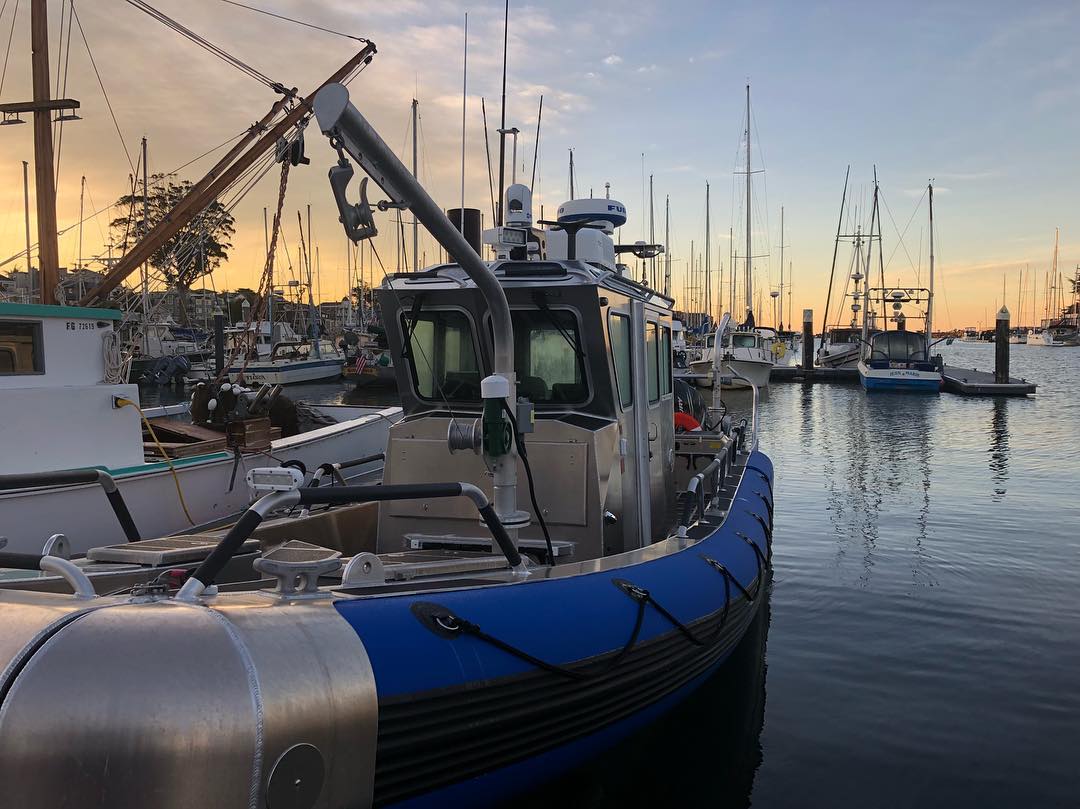
Choosing the Right Setup for Your Boat
There’s no single setup that works for everyone. The best approach depends on:
- Boat size and layout
- Number and weight of lobster pots
- Depth and current
- How often you plan to haul
A common, effective setup includes:
- Lobster traps (pots) as the primary fishing gear
- Alobster puller for hauling
- Alobster net for landing and backup
This combination covers nearly every situation you’ll encounter on the water.
Common Mistakes That Cost Lobsters
From watching beginners and learning the hard way, these mistakes come up often:
- Leaving lobster pots too long without rebaiting
- Avoiding frequent pulls because hauling is tiring
- Rushing the haul and losing control near the surface
- Using the wrong gear for boat size
Most of these problems disappear once pulling becomes easier and more controlled.
FAQ: Lobster Pots, Traps, Nets, and Pullers
Are lobster pots and lobster traps the same?
Yes. The terms are used interchangeably depending on region and context.
Do I need a lobster net if I use traps?
A lobster net is very useful as a support tool, especially when landing lobsters near the surface.
How often should lobster pots be pulled?
From experience, every 24 hours is common, though more frequent pulls can improve results when conditions allow.
Is a lobster puller worth it?
Absolutely. For anyone running multiple pots or fishing deeper water, a lobster puller makes a huge difference in comfort and efficiency.
Final Thoughts: Work Smarter on the Water
Lobstering has always been hard work—but it doesn’t have to be harder than necessary. Whether you call themlobster pots or lobster traps, the fundamentals stay the same. What’s changed is how we handle the gear.
Using the right combination oflobster traps, a reliable lobster puller, and a lobster net for support allows you to fish more efficiently, safely, and consistently.
AtEZ Puller Inc., the focus is on real-world marine solutions built for people who actually work the water. Their equipment is designed around hands-on experience, not theory—helping lobster fishermen spend less time struggling with gear and more time pulling results.
If you’re serious about lobstering and want to make every haul smoother, upgrading how you pull your gear is one of the smartest moves you can make.