

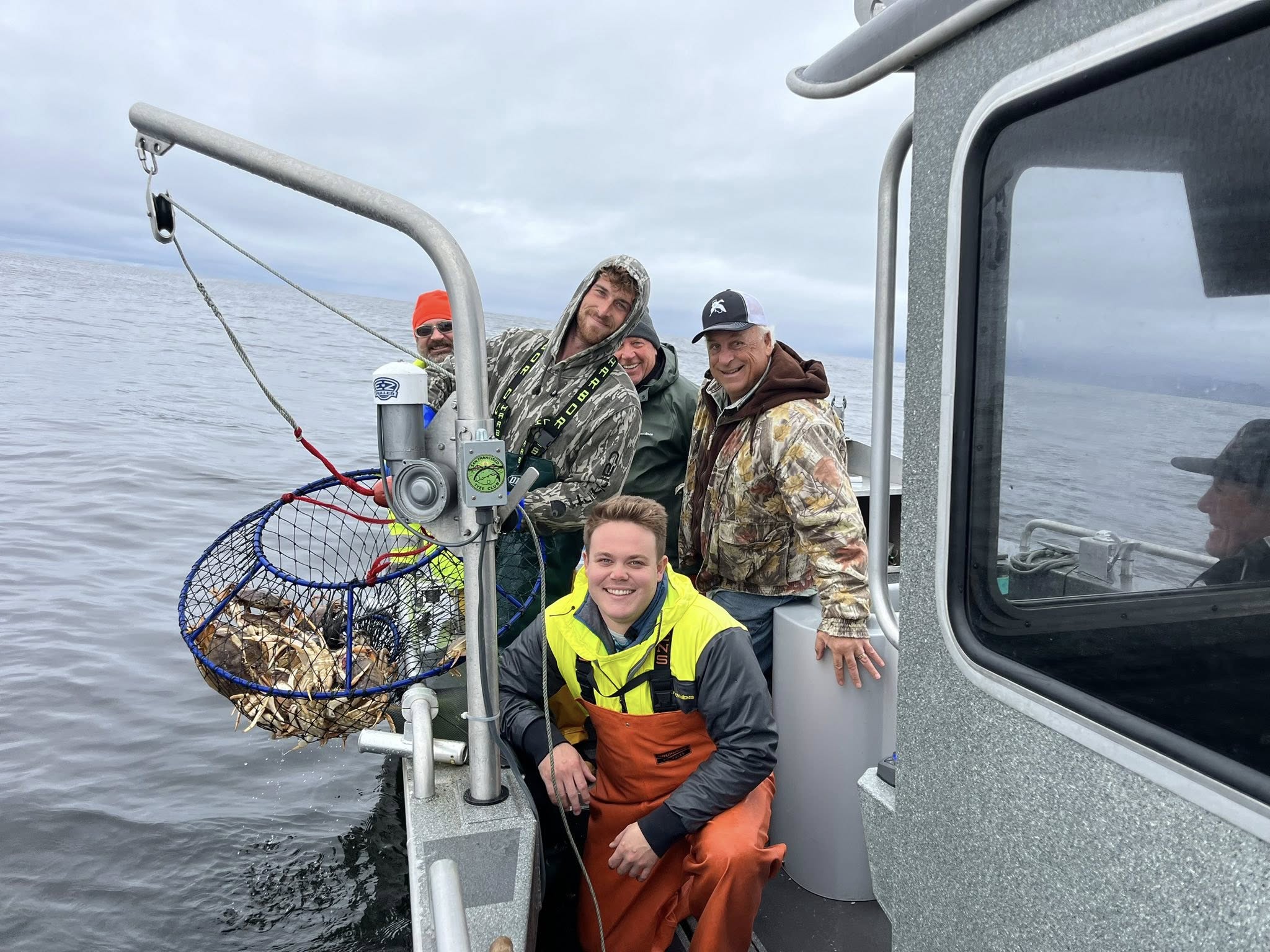
Not every boat needs a motor. A manual crab pot puller gives you a davit, a pulley, and a way to keep the pot off your hull, with no battery, wiring, or fuses to manage. For the right boat and the right fishing, it's not a compromise. It's the smarter choice.
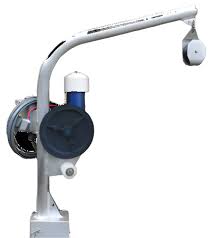
Short answer: A manual crab pot puller is a davit with a roller or block at the top. You pull the line by hand through it. The arm holds the line high, keeps the pot off your hull, and lets you swing it aboard. It suits small boats, shallow water, and light pots, and it needs no electrical system.
How a Manual Crab Pot Puller Works
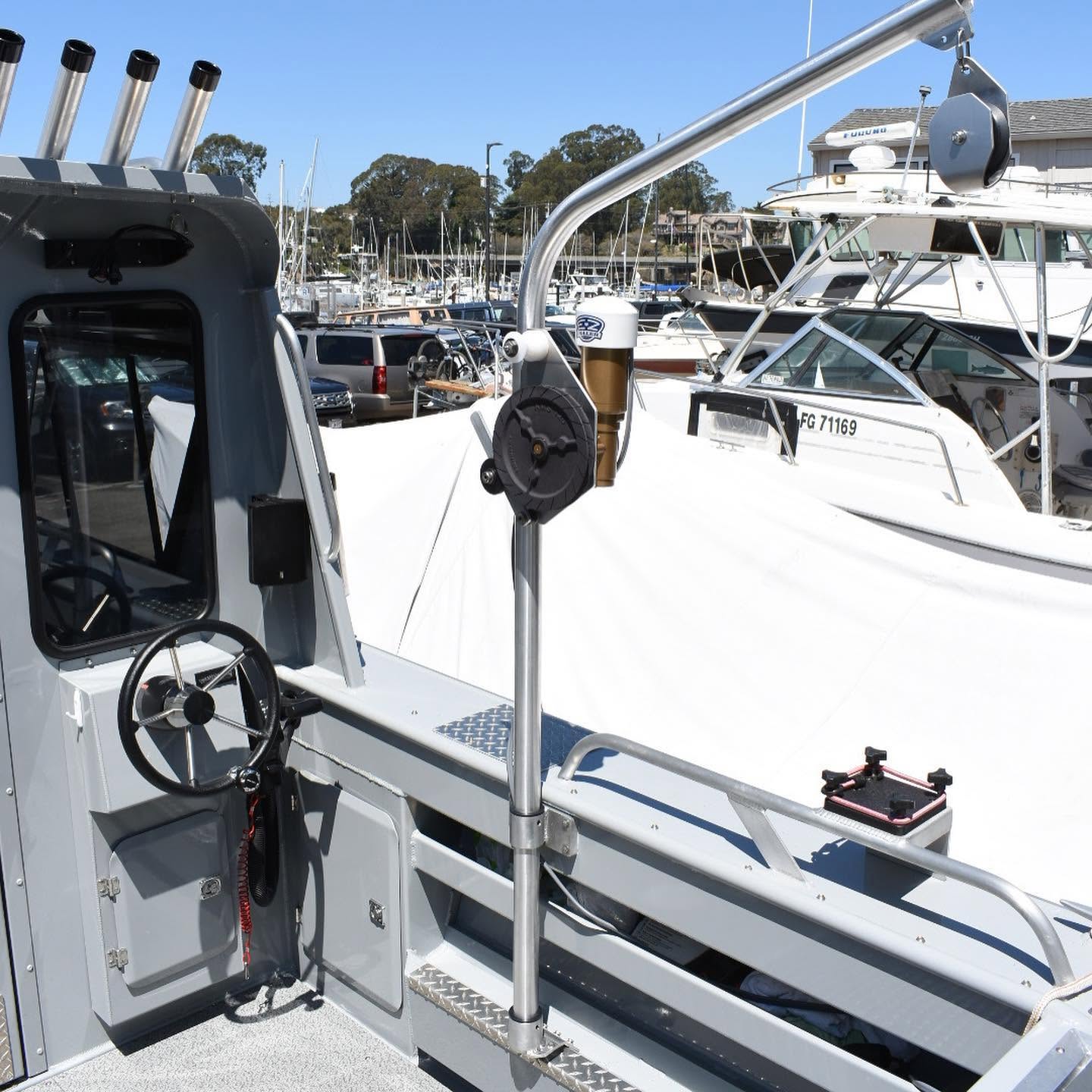
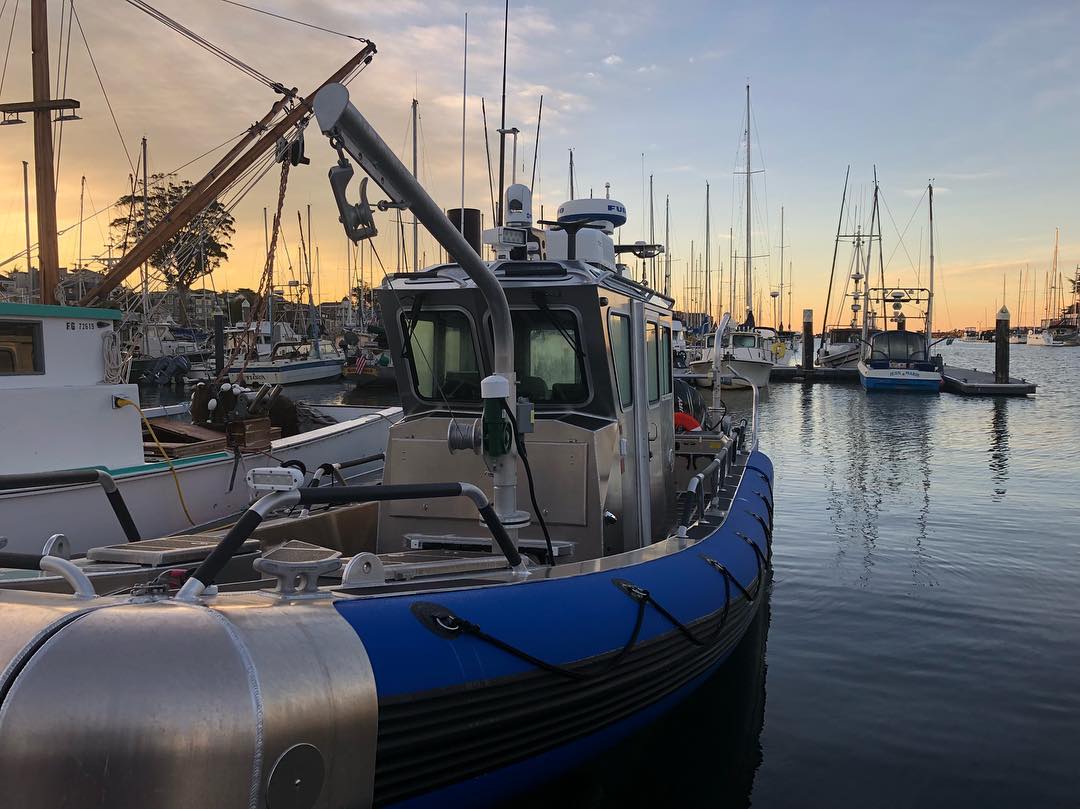
The design is simple. A vertical pipe, called the davit, stands in a mount on your gunnel or deck. A roller or block sits at the top of the arm. You bring the buoy aboard, lay the line over the roller, and pull. The arm carries the line up and out over the water, so the pot rises along a clean path instead of scraping your hull.
Once the pot reaches the surface, you swing the arm inboard and set the pot on deck. The arm does the lifting and positioning. You do the pulling.
That division of labor matters more than it sounds. Hand-hauling a pot means lifting it over the rail with your back. A davit lets the pot hang from a pivot point, so you guide its weight instead of fighting it.
What You Gain Without a Motor
No electrical system to build. Many small boats have a single starting battery and little else. A manual puller works on any of them.
Fewer parts to fail. There's no motor, switch, plug, or fuse. Saltwater corrosion has less to attack.
Lower weight and cost. On a skiff, every pound affects trim and handling. A manual davit adds very little.
Quiet, dependable operation. Nothing to fail in the cold or leave you stranded with a dead battery.
Easy storage. Our manual davits are three-piece designs. Pull the pins, lift the arm out, and stow it below.
Where Manual Falls Short
A manual puller reduces strain. It doesn't remove it. You still supply the pull, so depth, pot weight, and the number of pulls per trip all matter. Fisheries Supply notes that manual pullers suit light-duty use on smaller boats, while electric units handle medium to heavy work.
In practice, manual starts to feel like work when:
- You're pulling from deep water with a lot of line
- Your pots are heavy, especially when full of crab
- You're running several pots in a day
- Current or wind is working against you
If those describe your fishing, an electric hauler will pay for itself in comfort quickly.
Three Boats Where Manual Makes Sense
The 16-foot skiff. One or two pots in shallow bay water, no house battery, limited deck space. A lightweight davit keeps the pot off the hull and costs little.
The dock crabber. Pulling a few pots from a pier or dock needs a roller and a pivot, not a motor.
The weekend sport fisherman. A handful of trips a season doesn't justify wiring a new circuit. A manual puller solves the real problem, which is lifting the pot over the rail.
Choosing the Right Manual Davit
Three decisions shape the fit.
Schedule 40 or Schedule 80. Both schedules share the same outside diameter, and the difference is wall thickness. Schedule 40 is lighter and easier to carry. Schedule 80 is stiffer and takes heavier, more frequent use.
Height. A 65" arm works for most boats. A 75" extended arm helps if your rail is high or you want the pot lifted higher before you swing it in.
Mount. Match the mount to the davit diameter and back it properly on thin gunnels. A loose mount makes any davit feel flimsy.
EZ Puller Manual Models
- EZ-A403: 1.5" Schedule 40 aluminum, 65" tall, three-piece
- EZ-A803: 1.5" Schedule 80, 65" tall, three-piece
- EZ-A803X: 1.5" Schedule 80, extended 75" tall
All are hand-built in the USA. You can compare the full lineup in our manual pullers collection.
Tips for Hauling by Hand
- Keep the boat positioned. Hold the boat so the line comes up straight. A line pulled at an angle drags and puts side load on the arm.
- Pull steadily. Long, smooth pulls are easier on your body than short, jerky ones.
- Coil as you go. Lay the line in a bucket or bin so it doesn't tangle at your feet.
- Lock the arm before swinging. Pull the pin to release the arm only when the pot is up, and keep your hands clear of the pivot.
- Rinse after each trip. Fresh water on the roller and pins keeps everything moving.
Maintenance Is Minimal
A manual puller needs little. Check the pins and sleeve for wear, make sure the roller turns freely, and replace it when the groove wears. Replacement rollers and sleeves are available, so a worn part doesn't mean replacing the whole davit.
Manual or Electric: How to Decide
Choose manual if your pots are light, your water is shallow, and your boat has no electrical capacity to spare. Choose electric if you pull often, fish deep, or want the work done for you. Many fishermen start manual and upgrade later, once they know how often they fish and what their boat can support.
FAQs
Does a manual crab pot puller do the pulling for me?
No. It supports the line and lifts the pot, but you provide the pull.
Can I add a motor to a manual puller later?
Sometimes. It depends on your davit pipe, wall thickness, and mount.
What pot weight can a manual puller handle?
It depends on your strength and the davit. Light recreational pots are the typical use.
Do I need to wire anything?
No. That's the main appeal of a manual setup.
Which manual model should I buy?
Schedule 40 for light use, Schedule 80 for heavier, frequent hauling.
Will a manual puller damage my boat?
Not if the mount is sized and backed properly. A davit actually protects your hull by keeping pots off the side.
Choose Your Davit
If you're weighing both options, compare ourelectric haulers side by side with the manual models. Tell us your boat and pots, and we'll help you match a manual crab pot puller to the way you fish.