


If you’ve spent time crabbing—whether recreationally on weekends or more seriously during peak season—you already know one thing:success doesn’t come from luck alone. It comes from using theright bait, theright crab trap, and having an efficient way topull and reset traps without exhausting yourself.
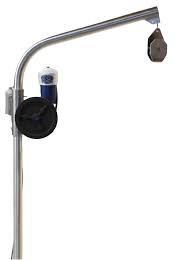
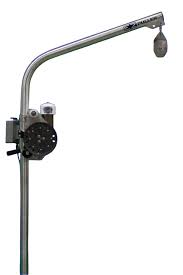
This is where experience matters. After years of seeing what works on the water, and what consistently fills crab pots versus what wastes time, here’s a clear, real-world breakdown—especially for those using professional-grade gear likecrab pullers and crab haulers from EZ Puller Inc.
What Is the Best Bait for a Crab Trap?
The best bait for a crab trap isstrong-smelling, oily, and durable. Crabs rely heavily on scent, so the stronger and longer-lasting the smell, the better your results.
Proven Best Crab Trap Baits
From hands-on use, these baits consistently perform the best:
- Chicken necks – One of the most popular choices because they’re tough and last longer
- Menhaden (bunker) – Extremely oily and effective
- Mullet or mackerel – Strong scent trail that travels well in moving water
- Fish heads or carcasses – Especially effective in deeper water
Chicken necks remain a favorite because they don’t get picked apart quickly by small fish, which means yourcrab trap keeps working longer between pulls.
What Usually Fails
- Soft meat that disappears quickly
- Weak-smelling or dried-out bait
- Bread or non-oily food
If the bait doesn’t create a scent trail, crabs won’t travel for it—simple as that.
Which Crab Traps Work the Best?
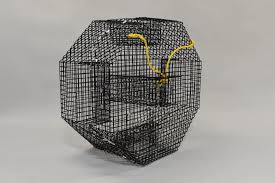
Not all crab traps are created equal. The design of the trap plays a huge role in how many crabs you actually bring up.
Box-Style Crab Traps (Most Effective)
Box-style traps are widely considered themost reliable and productive.
- Easy for crabs to enter
- Harder for crabs to escape
- Excellent for longer soak times
These traps pair perfectly withcrab pullers or crab haulers, especially when running multiple traps or fishing deeper water.
Collapsible Crab Traps
These are popular for convenience.
- Easy to store and transport
- Lightweight
- Best for shorter soaks
They work, but they usually don’t outperform solid box traps over time.
Ring-Style Traps
Ring traps can catch crabs, but they require:
- Frequent checking
- Good timing
- Active monitoring
They’re better for hands-on crabbing rather than leaving traps unattended.
Real-World Verdict
From consistent results on the water:
痩Box-style crab traps catch more crabs with less effort, especially when you’re pulling regularly using mechanical assistance.
How Long Do You Let Crab Traps Sit?
This is one of the most common questions—and the answer depends on how often you can pull your traps.
Short Soak: 1–3 Hours
- Ideal for scouting new spots
- Works well during peak crab movement
- Requires frequent pulling
This method is much easier when usingEZ Puller crab pullers, since repeated pulls don’t wear you out.
Standard Soak: 6–12 Hours (Most Common)
This is thesweet spot for most crabbers.
- Enough time for scent to spread
- Bait stays effective
- Perfect for overnight sets
Most experienced crabbers prefer this window.
Long Soak: 12–24 Hours
- Useful when checking traps once per day
- Requires durable bait
- Best in deeper or less pressured areas
Longer soaks don’t always mean more crabs—sometimes they just mean empty bait cages.
Why Crab Pullers and Crab Haulers Matter
Once you start running multiple crab pots, the hardest part isn’t baiting or setting—it’s pulling.
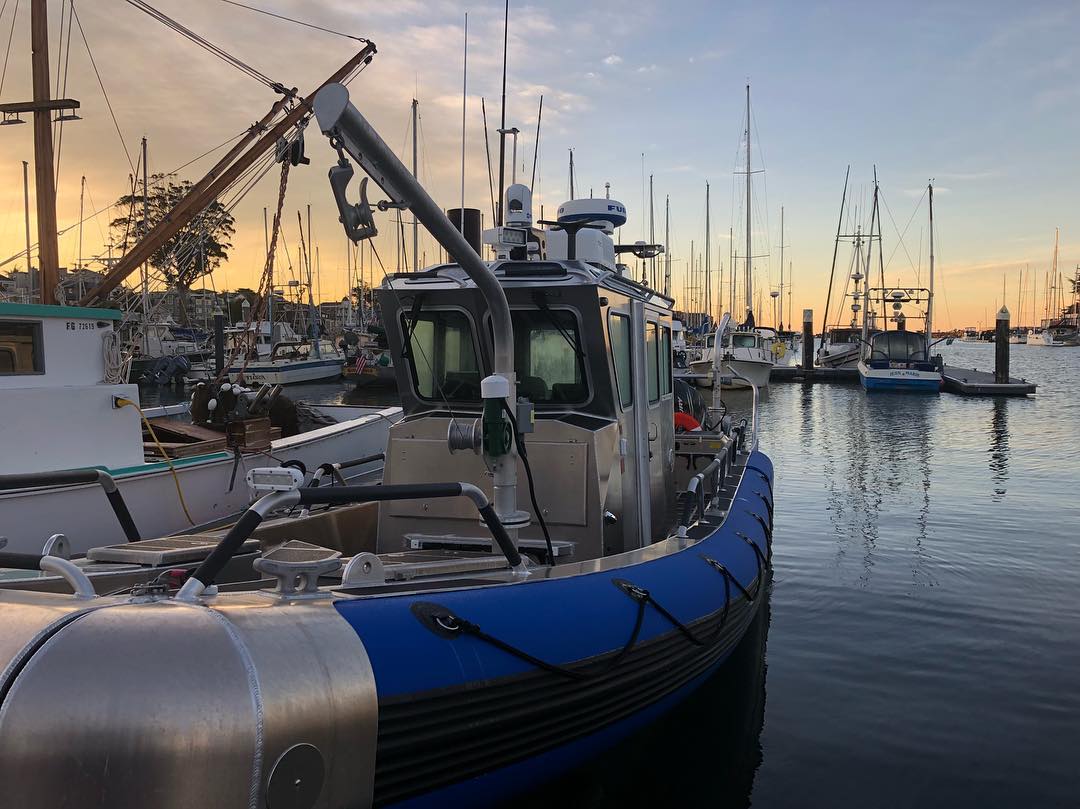
This is whereEZ Puller Inc. equipment makes a noticeable difference.
Using professional-gradecrab pullers and crab haulers:
- Reduces strain on your back and shoulders
- Makes frequent pulls practical
- Saves time and energy
- Improves safety in rough conditions
Many crabbers find that once they switch to a mechanical hauler, they can run more traps, check them more often, and ultimatelycatch more crabs with less effort.
Common Mistakes That Reduce Catch
From real-world experience, these mistakes cost crabbers the most:
- Leaving traps too long without rebaiting
- Using weak bait
- Setting traps too deep or in poor locations
- Not pulling often enough because it’s too much work
The right gear solves more problems than most people realize.
Final Thoughts
So, to answer the big questions clearly:
- Best bait for a crab trap: Oily fish or chicken necks
- Best crab traps: Solid box-style crab traps
- Best soak time: 6–12 hours for consistent results
When you combine the right bait, the right crab trap, and efficient hauling equipment likeEZ Puller crab pullers and crab haulers, crabbing becomes far more productive—and a lot less tiring.
EZ Puller Inc. has built its reputation around real-world marine use, offering hauling solutions that work for serious crabbers who want reliability, efficiency, and durability on the water.
If you’re ready to make pulling easier and catches more consistent, upgrading your setup isn’t just an option—it’s a smart move that pays off every trip.