
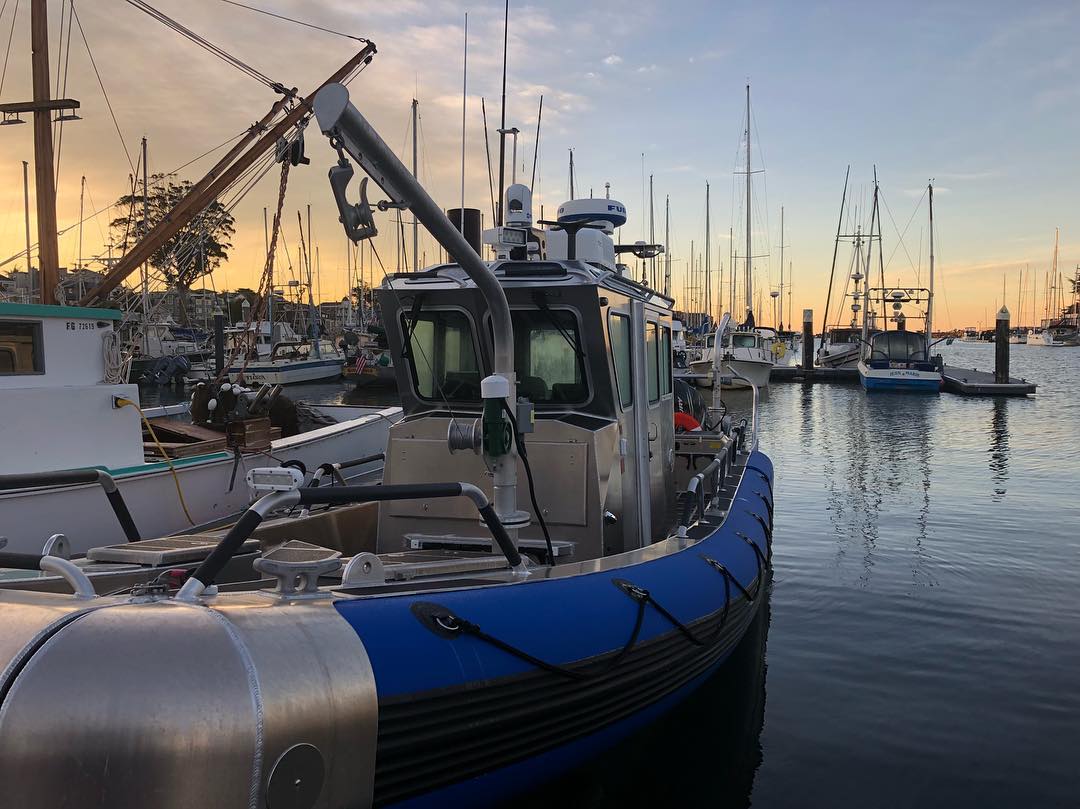

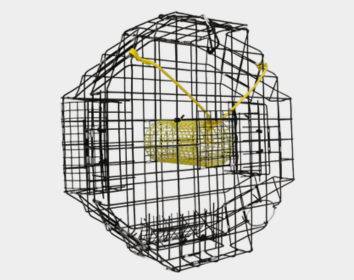

If you’ve spent any real time crabbing—whether off a dock, from a skiff, or running gear commercially—you already know this truth: catching crab isn’t just about luck. It’s about the right setup, efficient gear, and not wearing yourself out before the day’s done. After years on the water, I’ve learned that crab pots, crab nets, and crab traps each serve a purpose, but how you pull and manage them matters just as much as what you drop overboard.
That’s where modern puller systems come into play—and why more crabbers are upgrading their setups to work smarter, not harder.
Understanding the Differences: Pots vs. Nets vs. Traps
Crab Pots: Built for Consistency
Crab pots are the workhorses of crabbing. They’re designed to sit on the bottom, baited and weighted, pulling in crab steadily over time. When properly set, they’re reliable and low-maintenance—but hauling them manually can be brutal, especially when you’re running multiple lines.
I’ve seen plenty of people start the day confident, only to slow down halfway through because their shoulders are shot. That’s when a puller stops being a luxury and becomes a necessity.
Crab Nets: Simple but Hands-On
A crab net is usually the go-to for docks, piers, or quick recreational trips. It’s active crabbing—you bait it, drop it, wait, and pull by hand. While it’s simple, timing and strength matter. One slow pull and the crab’s gone.
Crab nets work great for beginners or casual outings, but if you’re pulling repeatedly, fatigue sets in fast.
Crab Traps: Versatility on the Water
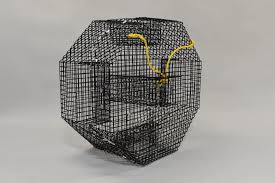
Crab traps sit somewhere in between. They’re often lighter than pots and easier to deploy, but still need steady, controlled retrieval. When tides are running or traps get loaded, pulling by hand quickly becomes inefficient.
This is where powered or assisted pullers really shine.
Why Pulling Gear Is the Real Game-Changer
Manual Pulling vs. Mechanical Advantage
Early on, I pulled everything by hand. It felt “traditional,” but it also meant fewer sets per trip and more wear on my body. Switching to a puller didn’t just save energy—it changed how much water I could cover in a day.
A good puller:
- Maintains steady line tension
- Reduces lost gear
- Speeds up resets
- Minimizes strain and injury
For anyone running multiplecrab pots or heaviercrab traps, the efficiency difference is night and day.
Electric Pullers: A Practical Upgrade
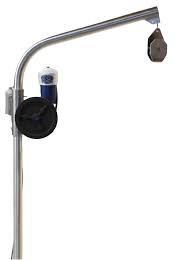
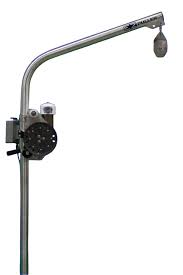
Electric pullers, especially those designed for crabbing and lobstering, are built to handle real load—not just light recreational use. The ability to retrieve pots smoothly, even in rough conditions, adds both safety and productivity.
If you’re curious about what systems work best, this is a good place to internally link toEZ Puller Inc.’s puller collection page, where different electric and manual pullers are broken down by use case.
Real-World Example: Faster Pulls, Better Days
One customer I spoke with last season was running half a dozen crab traps from a small boat. By mid-morning, he was exhausted and cutting trips short. After installing a compact electric puller, he told me his biggest regret was not doing it sooner.
He wasn’t catching more crab because of luck—he was catching more because he could reset faster and stay on the water longer without burning out.
That’s a common story.
Matching the Right Puller to Your Crabbing Style
Recreational Dock or Small Boat Crabbing
If you’re mostly using acrab net or a couple of lightweight traps, a smaller puller or davit setup can still make a noticeable difference—especially for older crabbers or anyone dealing with shoulder or back strain.
Serious Recreational or Commercial Crabbing
Running multiplecrab pots demands durability. Look for pullers with solid motors, corrosion-resistant materials, and easy mounting options. Reliability matters when your gear is down 30 feet and loaded.
This is another smart spot to internally link to:
- Product detail pages
- A contact or consultation page for gear recommendations
Common Mistakes Crabbers Make (and How to Avoid Them)
Overloading Without Support
Heavy pots plus strong tides equal trouble without mechanical help. Even seasoned crabbers lose traps this way.
Underestimating Wear and Tear
Saltwater is unforgiving. Quality pullers are designed to last, while cheaper alternatives often fail mid-season.
Ignoring Ergonomics
Crabbing should be tough—but not painful. Repetitive strain injuries are common and preventable with the right setup.
FAQs About Crab Pots, Nets, and Traps
Do I need a puller for crab nets?
Not always, but if you’re pulling frequently or crabbing for long periods, a puller can reduce fatigue significantly.
Are electric pullers overkill for recreational crabbing?
Not at all. Many recreational crabbers prefer electric pullers for ease, safety, and consistency.
Can one puller handle both crab pots and crab traps?
Yes, as long as it’s rated for the weight and load. Versatile pullers are designed for mixed-use setups.
Do pullers work in saltwater environments long-term?
High-quality pullers built with marine-grade materials absolutely do—especially when properly rinsed and maintained.
Final Thoughts: Crabbing Smarter, Not Harder
Crabbing should be rewarding, not exhausting. Whether you’re runningcrab pots offshore, liftingcrab traps in tidal waters, or working acrab net from the dock, the right pulling system transforms the entire experience. You’ll work safer, fish longer, and get more out of every trip.
EZ Puller Inc. has built a reputation around practical, reliable pulling solutions designed by people who understand life on the water. Their systems are made to handle real conditions—not just look good on paper. If you’re ready to upgrade your setup or want advice on choosing the right puller, reach out through their contact page or explore their puller collection to find a solution that fits your crabbing style.