


Anyone who’s spent real time pulling lobster gear will tell you this straight: lobster fishing is as much about efficiency as it is about location. You can have the best bait and the perfect bottom, but if hauling your gear wears you down or slows your resets, you’re leaving catch—and energy—behind. Over the years, working with lobster pots, lobster nets, and lobster traps, I’ve learned that the real difference between a frustrating day and a productive one often comes down to how you pull your gear.
That’s why serious lobster fishers pay close attention not just to what goes in the water, but to what brings it back up.
Knowing Your Gear: Pots, Nets, and Traps Explained
Lobster Pots: Built for Weight and Reliability
Lobster pots are designed to stay put. They’re heavy, durable, and meant to withstand tides, current, and rough bottom. When they come up full, they come upheavy. Pulling lobster pots by hand might seem manageable at first, but once you’re running multiple sets, it quickly becomes exhausting—and risky in rough conditions.
This is where having the right pulling system stops being optional and starts being common sense.
Lobster Nets: Simple, but Physically Demanding
A lobster net is typically used in shallower water, docks, or rocky areas where traps aren’t ideal. While simple in design, lobster nets demand timing and strength. You don’t get many second chances if your pull isn’t clean.
For fishers running repeated drops, even lightweight gear adds up fast. Mechanical assistance can make a noticeable difference over the course of a day.
Lobster Traps: The Everyday Workhorse
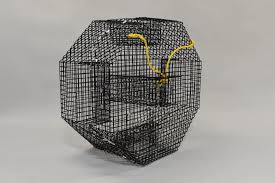
Lobster traps are the backbone of most recreational and commercial operations. They’re efficient, dependable, and often pulled multiple times per trip. But repetition is where fatigue sets in. Even experienced fishers underestimate how much strain constant hauling puts on shoulders, wrists, and backs.
That’s why so many lobster fishers eventually upgrade their setup.
Why a Puller Changes Everything
The Hidden Cost of Manual Pulling
Early in my career, I pulled everything by hand. It felt like part of the job. But as seasons went on, I noticed shorter trips, slower resets, and more soreness than I cared to admit. Switching to a puller didn’t just make things easier—it let me fish longer and safer.
A quality puller helps you:
- Maintain steady retrieval speed
- Prevent line jerks that lose traps
- Reduce physical strain
- Reset gear faster and more consistently
When you’re running multiplelobster pots or loadedlobster traps, those advantages add up quickly.
Electric Pullers: Designed for Real Conditions
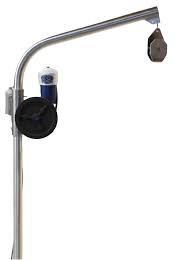
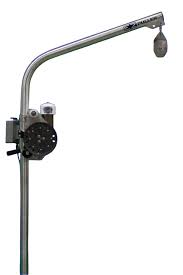
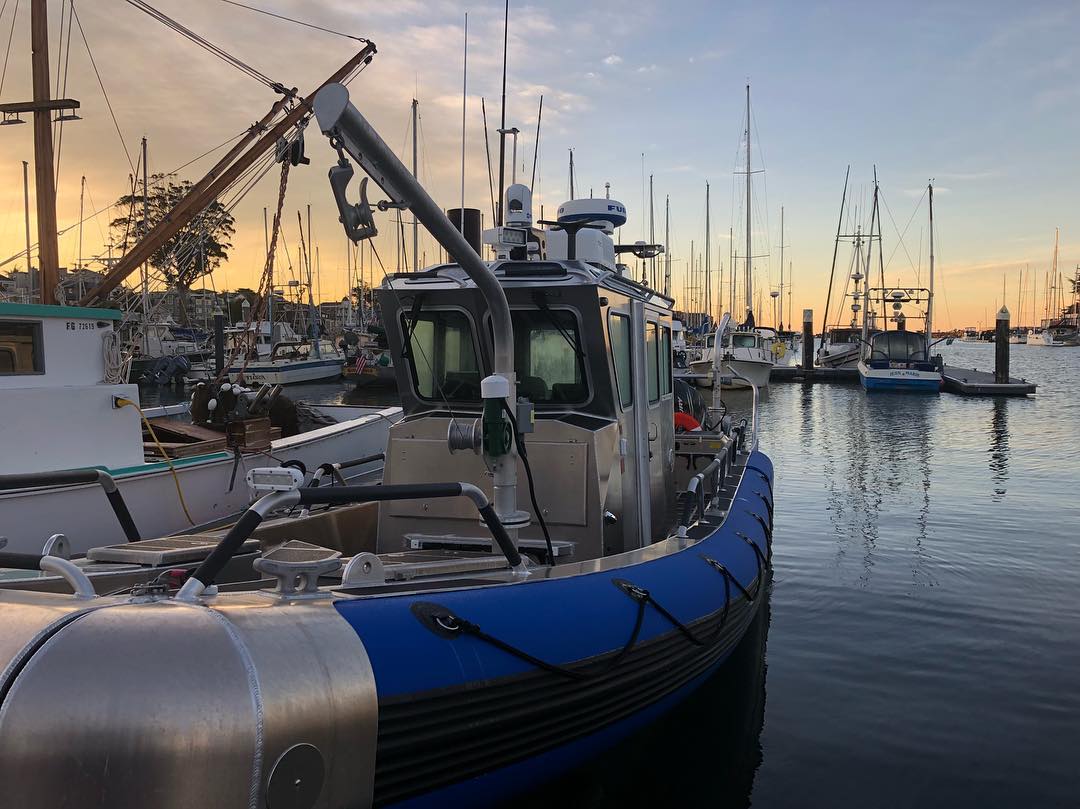
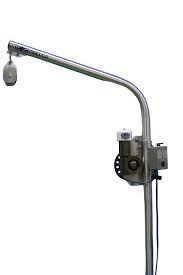
Electric pullers are especially valuable for lobster fishing because they handle consistent weight without fighting you every foot of line. A smooth pull matters when you’re dealing with depth, current, or full traps.
If you’re exploring options, this is a natural place to internally link toEZ Puller Inc.’s puller collection page, where different pullers are designed specifically for heavy-duty marine use.
Real-World Insight: Fewer Breaks, Better Results
I spoke with a recreational lobster fisher last season who upgraded to an electric puller after struggling with shoulder pain. He wasn’t fishing more traps—he was fishingsmarter. With faster pulls and less fatigue, he was able to reset earlier and avoid cutting trips short.
His takeaway was simple: the puller didn’t replace skill, it supported it.
That’s a pattern I’ve seen again and again.
Choosing the Right Puller for Lobster Fishing
Light Recreational Use
If you’re mostly working alobster net or a small number of traps, a compact puller setup can still save energy and reduce strain. It’s especially helpful for solo fishers or anyone fishing from smaller boats.
Heavy Traps and Multiple Pots
For anyone running heavierlobster pots, durability is non-negotiable. You want a puller with a strong motor, corrosion-resistant components, and mounting options that don’t interfere with deck space.
This is also a smart point to internally link to:
- Individual puller product pages
- A contact or consultation page for gear recommendations
Common Mistakes Lobster Fishers Make
Waiting Too Long to Upgrade
Many fishers push through fatigue until it becomes a problem. A puller prevents injuries instead of reacting to them.
Using Underrated Equipment
Not all pullers are built for lobster gear. Using light-duty equipment for heavy traps leads to breakdowns and lost time.
Ignoring Maintenance
Even the best puller needs basic care. Rinsing and inspection go a long way toward long-term reliability.
FAQs About Lobster Pots, Nets, and Traps
Can one puller handle lobster pots and lobster traps?
Yes, as long as it’s rated for the weight and depth you’re fishing.
Is an electric puller worth it for recreational lobster fishing?
Absolutely. Many recreational fishers value comfort and safety just as much as commercial operators.
Do pullers work well in deep or rough water?
High-quality marine pullers are specifically designed for these conditions.
Will a puller help reduce lost gear?
Yes. Controlled, steady retrieval reduces line snaps and trap losses.
Final Thoughts: Invest in the Part That Does the Heavy Lifting
Lobster fishing is demanding enough without fighting your own gear. Whether you’re haulinglobster pots from deep water, workinglobster traps along the coast, or lifting alobster net on repeat, the right puller transforms the experience. You’ll work more efficiently, stay safer, and enjoy your time on the water a lot more.
EZ Puller Inc. is trusted by fishers who value equipment that actually performs under real-world conditions. Their pullers are built with durability, power, and practicality in mind. If you’re ready to upgrade your setup or want expert advice on choosing the right puller for your lobster gear, explore their puller collection or reach out for a consultation and get a solution tailored to how you fish.