
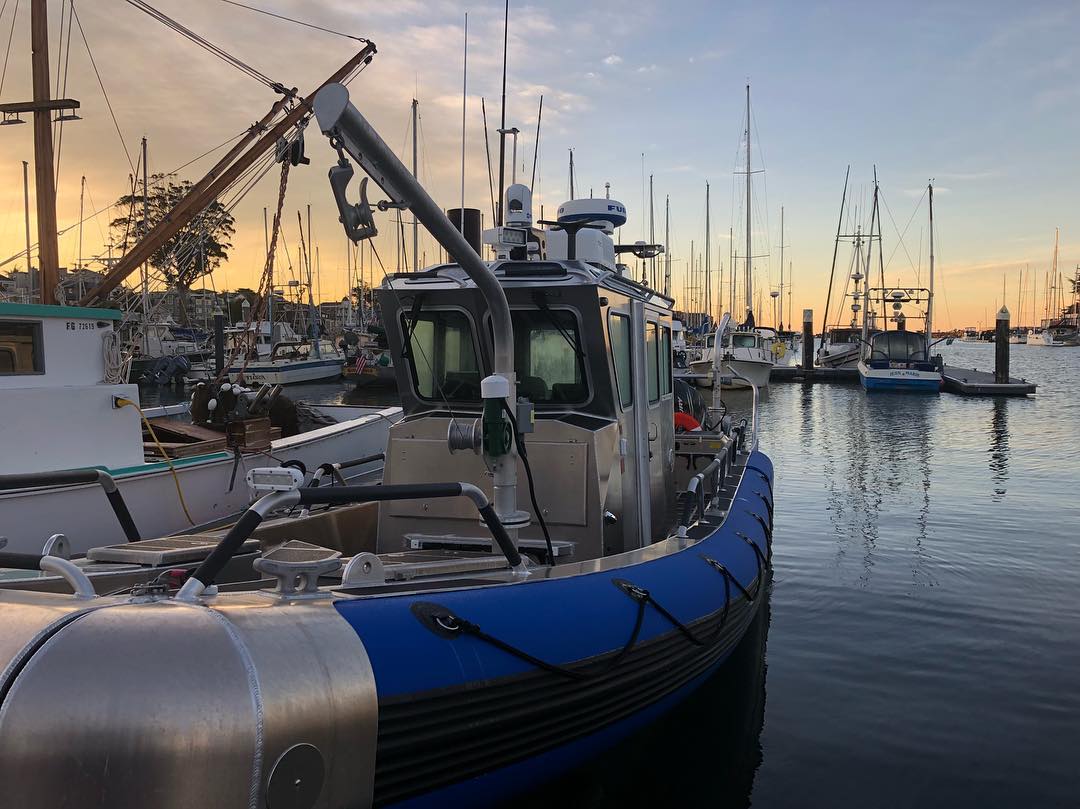


Crabbing is more than just a hobby—it’s a blend of patience, skill, and knowing the right gear. Whether you’re a weekend crabber exploring the Chesapeake Bay or a commercial fisherman working the waters off Maine, having the right equipment can make all the difference. One tool that has revolutionized crabbing is the crab puller. From traditional hand-operated models to modernelectric crab pullers, these devices save time, reduce strain, and make hauling crabs easier than ever.
In this post, I’ll walk you through my firsthand experiences with different crab pullers, share tips for choosing the right one, and offer practical advice to help you get the most out of your crabbing adventures.
Why a Crab Puller Is a Game-Changer
When I first started crabbing, I relied on the classic rope-and-bucket method. It works, sure—but after hours of hauling traps, your arms feel like lead. That’s where acrab puller comes in.
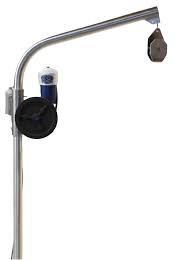
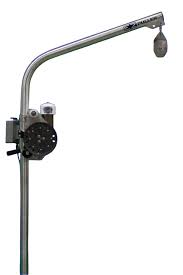
A crab puller is essentially a mechanical assist that helps you lift your traps from the water without using excessive force. The benefits are clear:
- Reduced physical strain: No more aching shoulders after a long day on the water.
- Faster trap retrieval: You can check more traps in less time, which is crucial for commercial operations.
- Better catch handling: Lifting traps smoothly reduces the risk of losing crabs or damaging your gear.
In short, it makes crabbing less about brute force and more about efficiency.
Types of Crab Pullers
Hand-Operated Crab Pullers
Traditional hand-operated models are compact, reliable, and perfect for small-scale crabbing. I’ve used a few of these while exploring the Delaware River, and they’re surprisingly effective if you know how to position the trap and use the winch correctly. The key is to keep your setup stable—leaning too far or pulling at the wrong angle can make the process harder than it needs to be.
These pullers are also great for beginners. They don’t require power, are relatively affordable, and have fewer moving parts to maintain. If you’re crabbing on a small boat or dock, a hand-operatedcrab puller might be all you need.
Electric Crab Pullers
For anyone spending long days hauling multiple traps—or if you’re running a commercial operation—anelectric crab puller is a game-changer. I remember the first time I tried one on a brisk morning off Cape Cod; it was like night and day. What used to take 15 minutes per trap now took less than five, and my back thanked me.
Electric models come with various features: variable speed control, automatic tension adjustments, and even remote operation in some high-end models. The initial investment is higher than a hand-operated puller, but the efficiency gains and reduced physical strain make it worthwhile.
Practical Tips for Using a Crab Puller
Here are a few lessons I’ve learned after years on the water:
- Anchor Your Boat Properly: Whether using a hand-operated or electric crab puller, stability is key. Make sure your boat or dock is secure to avoid tipping traps or equipment.
- Check Trap Orientation: Align traps correctly before pulling. Crabs can slip or get damaged if the trap is pulled at an awkward angle.
- Maintain Your Gear: Regularly inspect cables, winches, and motors. Saltwater can be harsh, and preventive maintenance prolongs the life of your puller.
- Consider Weight Limits: Don’t overload a puller beyond its rated capacity. Electric models can handle more weight, but every device has a limit.
Following these tips ensures a smooth, safe, and productive crabbing experience.
Choosing the Right Crab Puller for You
Deciding between a traditionalcrab puller and anelectric crab puller depends on your needs:
- Occasional hobbyist: A hand-operated puller is lightweight, simple, and budget-friendly.
- Frequent or commercial crabbing: Electric pullers save time, reduce strain, and handle heavier traps with ease.
- Boat or dock limitations: Consider size, mounting options, and power availability.
If you’re unsure, many manufacturers (likeEZ Puller Inc.) offer demo videos and guides to help you match a puller to your specific setup.
Local Insights: Crabbing in [Your Area]
If you’re crabbing around the Chesapeake Bay, Cape Cod, or other popular US coastal areas, conditions vary. Strong currents or tidal changes can make trap retrieval challenging, and an electric crab puller is especially useful in these situations. In contrast, calm bays or small lakes are ideal for hand-operated models, allowing you to enjoy the process without overinvesting in gear.
FAQ: Crab Pullers
Q: Can I use a crab puller for other traps?
A: Absolutely. Many pullers work for lobster, shrimp, and even small fish traps. Just check weight limits.
Q: Are electric crab pullers safe around water?
A: Yes, most models are designed for marine environments. Follow manufacturer instructions, and ensure connections are secure.
Q: How do I maintain my puller?
A: Rinse with fresh water after each use, inspect cables and motors, and lubricate moving parts periodically.
Conclusion: Make Crabbing Easier with the Right Puller
After years of hauling traps manually, switching to a propercrab puller—especially anelectric crab puller—completely changed my crabbing experience. It saves time, reduces strain, and makes the sport or business far more enjoyable. Whether you’re just starting out or upgrading your commercial setup, investing in the right puller is a decision you won’t regret.
At EZ Puller Inc., we’ve helped countless crabbing enthusiasts and professionals find the perfect solution. Our team has hands-on experience with all types of pullers and can guide you toward the best option for your needs. Reach out today for a consultation or quote, and take your crabbing game to the next level.