


If you’ve ever spent time around the docks or talked with people who actually work the water, you’ve probably heard lobster gear referred to in a few different ways. Some people say lobster pots, others saylobster traps, and occasionally you’ll hear them all lumped together as “gear.” For newcomers, that can be confusing. For seasoned lobstermen, it’s just part of the language.
From real, hands-on experience, here’s the simple truth:lobster pots and lobster traps are the same thing. The name you hear most often depends on where you’re fishing and who you’re talking to.
Why Are They Called Lobster Pots?
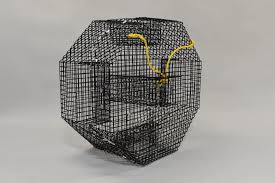
In places like Maine and much of New England, the termlobster pots has been used for generations. Old-timers will tell you that the earliest versions were wooden and barrel-like, which is where the word “pot” came from. Over time, the design evolved into the wire and plastic traps we use today, but the name stuck.
So when someone asks,“What are lobster pots called?” the most accurate answer is:
They’re also calledlobster traps.
Is There Any Difference Between a Lobster Pot and a Lobster Trap?
Functionally, no. They do the exact same job.
A lobster pot (or trap) is designed to:
- Attract lobsters using bait
- Let them enter through funnel-shaped openings
- Make it difficult for them to escape once inside
Regulations and official paperwork often use the termlobster trap, while everyday conversation—especially among working lobstermen—leans towardlobster pots.
The Real Work Begins When It’s Time to Haul
Anyone who has hauled traps by hand knows that setting lobster pots is only half the job. Pulling them back up is where the work really shows.
Hand hauling a few traps might be fine on a calm day. But when you’re dealing with deeper water, heavier gear, or multiple pots, it becomes exhausting fast. That’s exactly why most serious operators rely on alobster puller.
What Is a Lobster Puller?
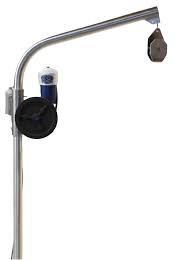
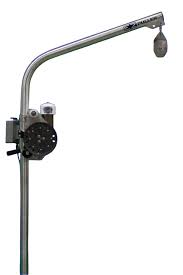
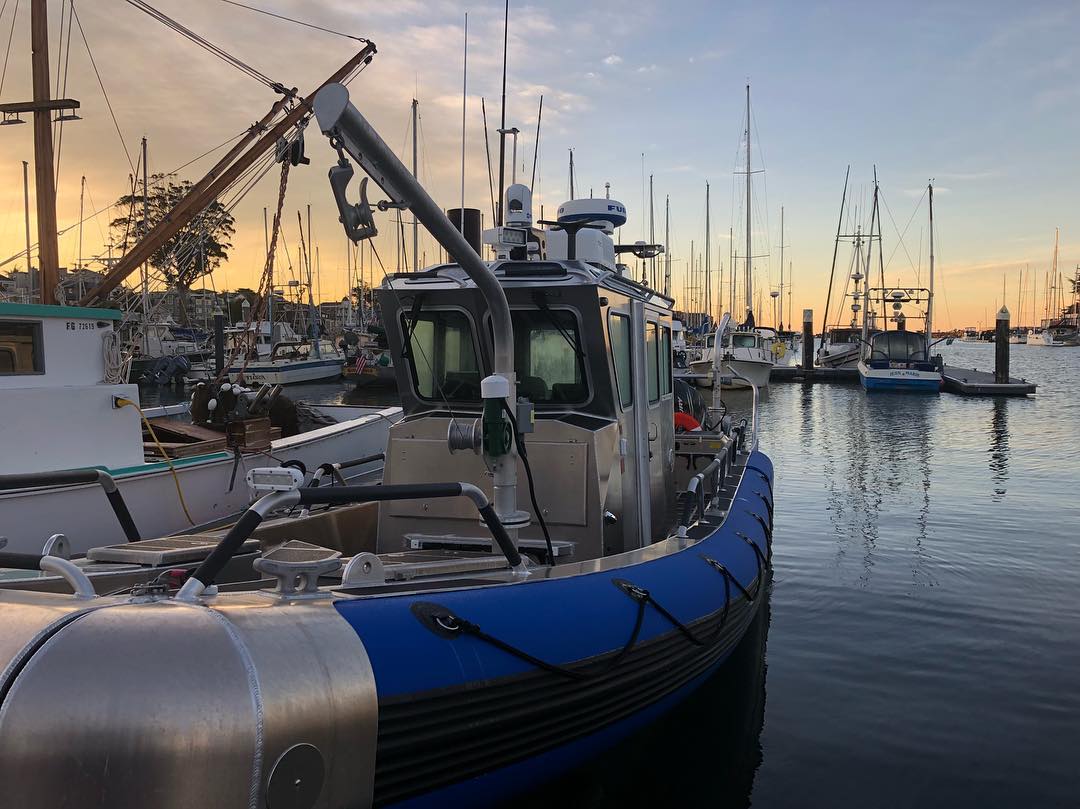
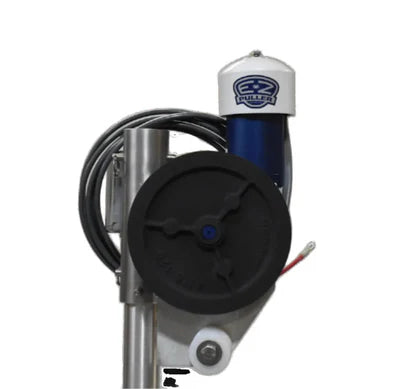
Alobster puller is a mechanical device mounted on the boat that grips the buoy line and lifts the lobster pot out of the water. Instead of fighting the weight of the trap and line with your arms and back, the puller does the heavy lifting.
From firsthand experience, the difference is night and day:
- Less strain on your body
- Faster, smoother hauling
- Much safer in rough conditions
Once you’ve used a lobster puller, it’s hard to imagine going back to hauling by hand.
Why More People Are Using Lobster Electric Haulers
In recent years, many lobstermen—especially those running smaller boats—have switched to alobster electric hauler. These systems use an electric motor instead of hydraulics or manual cranking.
The biggest advantages are practical ones:
- Simple operation
- Consistent pulling power
- Less maintenance
- Cleaner installation on smaller boats
For recreational lobstering or light commercial use, an electric hauler can make the entire process easier and more enjoyable.
Matching Your Gear to Your Lobster Pots
Not all lobster pots are the same, and not every setup needs the same equipment. Things like trap weight, water depth, and how often you haul all play a role in choosing the right setup.
What experienced lobstermen know is this:the right hauling equipment protects your body, your boat, and your time. It’s not about cutting corners—it’s about working smarter.
Final Thoughts
So, what are lobster pots called?
They’relobster traps, plain and simple. The name changes depending on region and tradition, but the purpose stays the same.
What has changed is how we handle them. Modern tools like alobster puller orlobster electric hauler have transformed lobstering from pure muscle work into a more efficient, safer operation.
Companies likeEZ Puller Inc. understand this because they focus on real-world marine use—not theory. If you’re looking to make hauling easier, safer, and more efficient, upgrading your setup can make a noticeable difference every time you head out on the water.
Whether you call them pots or traps, the goal is the same:bring them up cleanly, consistently, and without beating yourself up in the process.