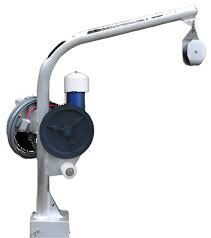

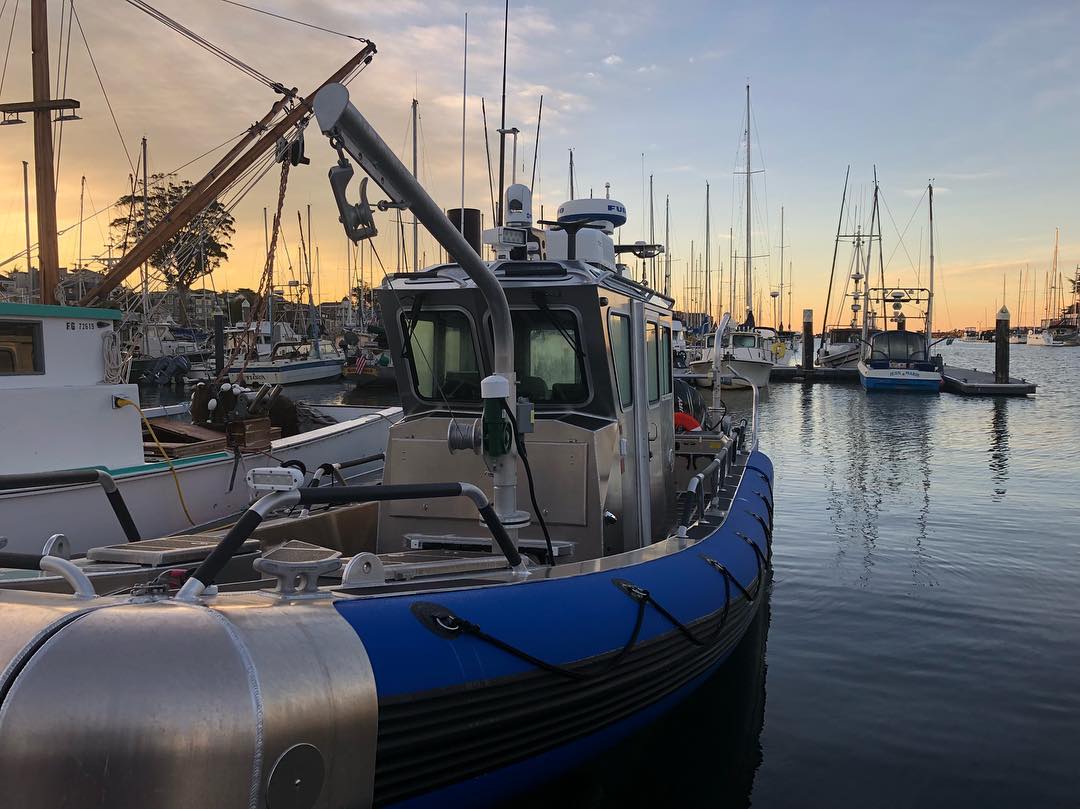

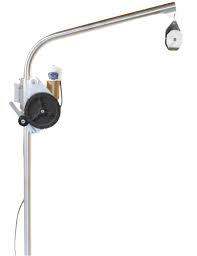
It used to bring a pot up in one smooth pull. Now it labors, slows near the top, or seems to give up halfway. Most fishermen assume the motor is wearing out. Sometimes it is. More often, the motor is fine and something upstream is starving it of power.
The good news is that slow pulling is usually easy to track down if you test in the right order.
Short answer: A slow electric pot puller usually comes down to five causes: low voltage reaching the motor (weak battery, thin wire, or corroded connections), a heavier load than before, drag from a worn roller or the wrong line, cold weather, or a tired motor. Measure voltage at the puller while it’s under load. A drop of more than about 1.2 volts on a 12V system points to the electrical path, not the motor.
Start by Asking What Changed
A puller that slows down overnight is telling you something changed. Before you open a toolbox, run through the list:
- Heavier pots, more pots per line, or deeper sets
- New or different line, or line that’s wet and stiff
- A battery that’s older, or wasn’t fully charged
- New accessories sharing the same circuit
- Repairs or changes to the wiring
- Colder weather than last time
If one of these lines up with the slowdown, you’ve probably found your first suspect.
The Five Usual Suspects
1. Voltage Drop in the Circuit
A motor only pulls as hard as the voltage it receives. Every foot of wire and every connection costs a little voltage, and under heavy current the loss adds up. Thin wire, a long run, a corroded plug, or one loose terminal can leave the motor running on less power than the battery is actually supplying.
Marine wiring standards put numbers on this. ABYC E-11 sets two limits: 3 percent for critical circuits and 10 percent where voltage drop is not critical. On a 12V system, 3 percent is 0.36 volts and 10 percent is 1.2 volts. Blue Sea Systems’ sizing guide treats loads like windlasses and bait pumps as non-critical. A pot puller is a comparable intermittent, heavy load, so 1.2 volts is a reasonable line to watch.
2. A Weak Battery
A tired battery may read fine at rest and then collapse the moment the motor draws real current. Age, a partial charge, and cold all make it worse. If your puller is fine for the first pull and slows through the day, suspect the battery. Our guide on how many amp-hours an electric crab pot puller really needs helps you check whether yours is big enough for how you fish.
3. More Load Than Before
The motor hasn’t gotten weaker. The job got harder. More pots on a line, deeper water, heavier or leaded line, and pots fouled with mud or growth all add weight. Current and a swinging boat add drag the scale never shows. If your fishing changed, your puller may simply be working closer to its limit.
4. Drag in the Line Path
A roller with a worn groove, a roller that’s stiff or seized, line that’s too thick or too thin for the groove, and kinked or stiff wet line all add friction. The motor works harder to move the same load, and the line may slip, which feels like slowness. Check that the roller spins freely by hand.
5. The Motor Itself
A worn motor can draw more current and run hotter while delivering less. This is the last suspect, not the first. Rule out voltage, battery, load, and drag before you blame the motor. Signs include unusual heat, a burning smell, grinding or rattling, and slowing that gets worse as the motor warms up.
How to Test Voltage Under Load
You need a multimeter and a helper. Keep hands, clothing, and meter leads clear of the pulleys and line while the puller runs. If you’re not comfortable working on a live circuit, bring in a marine electrician.
- Check the battery at rest. Measure across the battery terminals with everything off, and note the reading.
- Measure the battery under load. Have your helper run the puller, and read the voltage at the battery terminals while it pulls.
- Measure at the puller. Repeat while the puller runs, with the meter at the puller’s plug or terminals.
- Compare the two readings. On a 12V system, a difference of more than about 1.2 volts means the wiring path is losing too much.
- Find the loss. Measure across each connection and the switch while the motor runs. A good connection reads close to zero. A reading well above that points to the culprit.
If the battery itself drops sharply under load, charge or replace it before you chase wiring.
Quick Diagnosis Table
| What you notice | Most likely cause |
|---|---|
| Slow from the very first pull | Voltage drop, thin wire, or a bad connection |
| Fine at first, slows through the day | Weak or undercharged battery |
| Slow only on heavy or deep pulls | Load at or beyond capacity |
| Squealing or line slipping | Worn roller or wrong line size |
| Hot motor, new noises | Worn motor |
| Worse on cold mornings | Battery sag in cold weather |
Fixes by Cause
- Voltage drop: Clean and tighten every connection, replace corroded plugs or terminals, and upsize wire if the run is too long or thin for the current. Blue Sea’s guide to choosing the correct wire size explains the method.
- Weak battery: Fully charge it, test it, and replace it if it won’t hold voltage under load.
- Too much load: Pull fewer pots per line, shorten the line where regulations allow, or move to a higher-torque puller.
- Drag: Replace a worn roller, and match line size to the groove.
- Motor wear: Once everything else checks out, have the motor serviced or replaced.
If your breaker is also tripping, the same causes apply, and our guide on why your electric puller keeps tripping the breaker walks through that side.
Keep It From Happening Again
Most slowdowns are preventable. Rinse the hauler after each trip, check connections and the roller regularly, and keep your battery charged and healthy. A worn roller, sleeve, or switch is much cheaper to replace before it causes a bad day. Browse our replacement parts and accessories and electrical accessories, which include a 12VDC 50-amp on/off switch made for EZ Puller models.
FAQs
Why is my electric pot puller suddenly slow?
Something changed: battery condition, a connection, the load, or the line path. Test voltage under load first.
How much voltage drop is too much?
On a 12V system, more than about 1.2 volts between the battery and the puller under load suggests the wiring path is losing too much.
Can cold weather slow my puller?
Yes. Cold reduces battery performance, which can drop voltage under load.
Is a slow puller a sign the motor is failing?
It can be, but check voltage, battery, load, and drag first. The motor is usually the last cause.
Will a bigger battery fix it?
Only if the battery was the problem. If the wiring or connections are losing voltage, a bigger battery won’t help.
Can the wrong line slow it down?
Yes. Line that’s the wrong size or stiff and wet adds friction and can slip on the roller.
Still Not Sure What’s Wrong?
Send us your model, battery setup, and what you’re seeing, and we’ll help you narrow it down. Contact our team. We’ve built electric haulers in the USA for nearly 35 years, and most slowdowns turn out to be easy fixes once you know where to look.