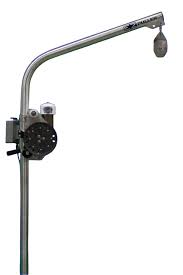

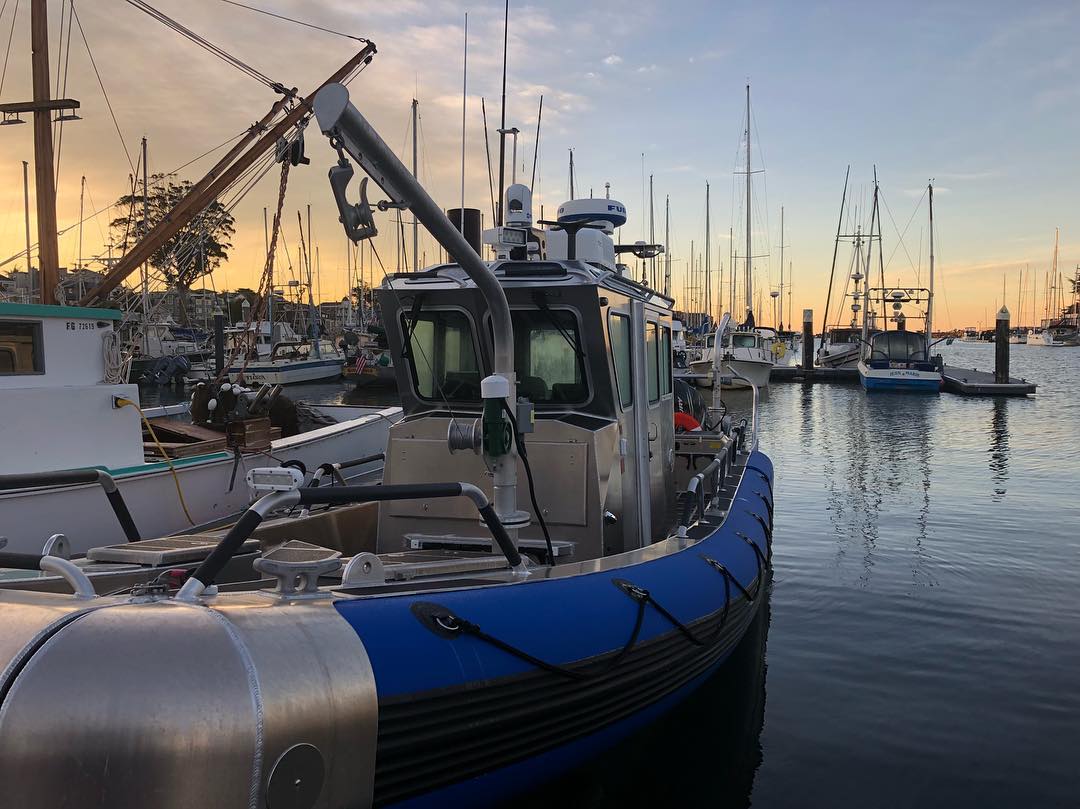

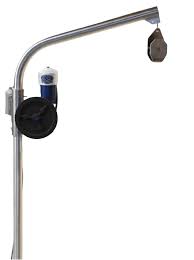
There's nothing more frustrating than reaching for your puller mid-haul and getting nothing — because somewhere along the line, the breaker tripped again. Reset it, it works for a while, then trips again. For a lot of fishermen, the instinct is to just keep resetting it and move on with the day. But a breaker that trips repeatedly isn't a nuisance to work around — it's doing exactly what it's designed to do, which is protect your wiring from a real problem underneath it.
The trick is figuring out which problem, since a tripping breaker can point to several different causes, and treating the wrong one just means it keeps happening.
A Tripping Breaker Is a Symptom, Not the Problem
A breaker trips when the current flowing through it exceeds what it's rated for. That's its entire job. So every time it trips, something in your circuit is pulling more current than expected — the breaker isn't failing, it's reporting.
That means the fix isn't a bigger breaker. Jumping to a higher amperage breaker just to stop the tripping removes the protection that was catching a real issue, and that's how wiring damage or worse ends up happening downstream. The right move is figuring out why the current draw is higher than it should be in the first place.
The Most Common Causes, in Order of Likelihood
Undersized breaker for your puller's actual draw. If your breaker was sized off a general estimate rather than your specific motor's amp draw, it may simply be rated too low for normal operation. This is especially common when fishermen reuse a breaker or plug meant for a lighter accessory, like a downrigger, instead of sizing specifically for the puller. If you're not sure your breaker matches your motor, our guide on what size fuse and wire an electric pot puller actually needs walks through how to size it correctly from scratch.
The puller is working harder than normal. A motor pulling a heavier pot, a longer string, or fighting more current or drag than usual draws more amperage to compensate. If your breaker trips specifically on your heaviest pulls but not on lighter ones, this points to the load itself, not a wiring fault — which may mean you're at or past what your current puller and circuit are realistically rated to handle. Our breakdown on how much pulling power you actually need for recreational vs. commercial crabbing is worth revisiting if this sounds familiar.
A corroded or loose connection somewhere in the circuit. Corrosion at a plug, terminal, or connection point increases resistance, which can cause the motor to draw more current to do the same amount of work — and a loose connection can create current spikes as it makes and breaks contact under vibration. Salt air is relentless on marine electrical connections, and this is one of the most common causes of a breaker that used to work fine and suddenly doesn't.
A failing or straining motor. As an electric motor wears, it can start drawing more current than it did when new, especially under load. If your breaker has started tripping more often over a season without any change to how you're using it, the motor itself working harder to do the same job is worth ruling out.
Battery voltage sagging under load. A battery that can't maintain adequate voltage under the puller's draw can cause the motor to pull more current to compensate for the drop, which can trip a breaker that would otherwise handle the load fine on a fully charged, healthy battery. This ties directly into whether your battery has enough amp-hour capacity for your actual usage.
Wiring that's too long or too thin for the run. Even with a correctly rated fuse for the wire gauge you're using, if that gauge is too thin for the total length of the run, voltage drop can cause the same current-compensation problem as a struggling battery — the motor works harder than it should to get consistent power delivered to it.
How to Actually Narrow It Down
Instead of guessing, work through this in order:
- Check whether it trips consistently or only under heavy load. Consistent tripping even on light pulls points toward wiring, connections, or an undersized breaker. Tripping only on your heaviest pulls points toward the load exceeding your system's capacity.
- Inspect every connection point for corrosion. Unplug and visually check the plug, terminals, and any splices in the circuit. Green or white corrosion buildup is a clear sign, even if the connection still feels physically snug.
- Confirm your breaker rating matches your puller's actual amp draw, not a generic estimate or a rating borrowed from a different accessory.
- Check your battery's charge and condition. A battery that's aging or wasn't fully charged before your trip can cause voltage sag that increases current draw.
- Measure your actual wire run length and confirm the gauge is appropriate for that distance at your puller's amp draw, not just appropriate for the amp draw alone.
- Rule out the motor itself if everything else checks out — a motor that's been in service for years and has started tripping breakers it never used to may simply be reaching the end of its working life.
Why "Just Reset It and Keep Going" Is the Wrong Approach
Repeatedly resetting a tripping breaker without addressing the cause doesn't just risk an inconvenient failure at a worse moment. It can mean the underlying issue — a corroded connection, an overworked motor, or wiring under more stress than it's rated for — gets progressively worse each time it happens. A breaker that trips once might be an isolated event. One that trips repeatedly is telling you something specific, and it's worth listening to before it turns into a bigger repair.
Where This Connects to the Rest of Your Setup
A tripping breaker rarely exists in isolation from everything else in your electrical system. If you've recently changed how you fish — heavier pots, deeper strings, more pulls per trip — your entire setup may need reassessing together: the puller's rated capacity, the wiring, the battery, and the breaker all need to scale together, not just one piece in isolation. Our guide on wiring straight to the battery vs. through a fuse block is also worth a look if your current setup shares a circuit with other accessories, since a breaker sized for combined loads needs different math than one dedicated solely to the puller.
Built to Work With a Properly Sized Circuit
For nearly 35 years, EZ Puller Inc. has hand-built electric haulers in the USA, and we know the electrical side of the install is just as important as the mechanical mount. If your breaker keeps tripping and you've worked through the usual causes without finding the answer, it's worth talking through your specific setup with our team rather than continuing to reset it and hope it stops.
Contact us with your EZ Puller model, your current breaker rating, and when the tripping tends to happen, and we can help you figure out what's actually going on. Browse our full Electric Haulers lineup and Electrical Accessories, or find EZ Puller gear through our dealer network.
FAQs
Should I just install a bigger breaker if mine keeps tripping?
No. A breaker trips to protect your wiring from excess current — replacing it with a larger one removes that protection without fixing whatever is actually causing the higher draw.
Can a bad connection really cause a breaker to trip?
Yes. Corrosion or a loose connection increases resistance in the circuit, which can cause the motor to draw more current to compensate, tripping a breaker that would otherwise handle the load fine.
Why does my breaker only trip on heavy pulls, not light ones?
This usually means your puller is working at or beyond its realistic capacity for that load — the heavier pull is drawing more current than your circuit is sized to handle consistently.
Can a weak battery cause breaker tripping?
Yes. If battery voltage sags under load, the motor may draw more current to compensate, which can trip a breaker that's otherwise correctly sized.
How do I know if it's the motor or the wiring causing the problem?
If connections, wiring, breaker sizing, and battery all check out but tripping continues or has increased over time with no change in use, a motor that's wearing out and drawing more current is worth investigating.
Is it normal for a breaker to trip occasionally?
An isolated trip, especially under an unusually heavy pull, isn't necessarily alarming. Repeated tripping under normal conditions is what signals an underlying issue worth diagnosing.
Does wire length matter even if my fuse is rated correctly?
Yes. A correctly rated fuse for your wire gauge doesn't account for voltage drop over a long run, which can cause the motor to draw more current to get consistent power.
Can cold weather cause more frequent breaker tripping?
Indirectly, yes — cold reduces battery performance, which can cause voltage sag and increased current draw, contributing to tripping that wouldn't happen in warmer conditions.
Should I check my breaker rating even if it worked fine last season?
It's worth checking if anything about your setup changed — heavier pots, more pulls per trip, an aging battery, or a different wire run — since a breaker that was adequate before may not be for a changed load.
Who can help me figure out the right breaker size for my EZ Puller model?
Contact our team with your model and how you're using it, and we can walk you through the correct breaker rating for your specific setup.