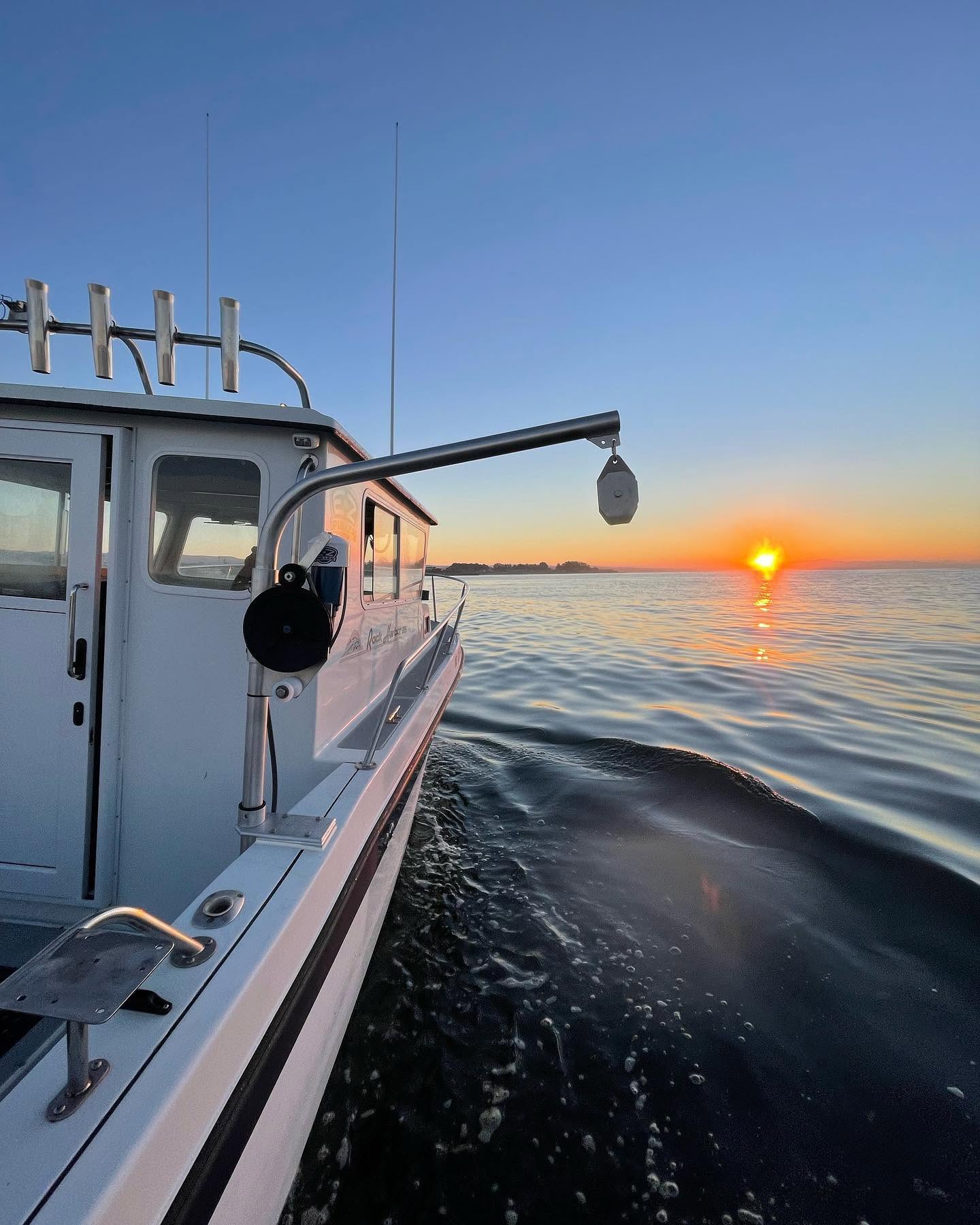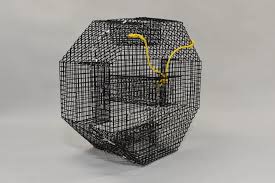

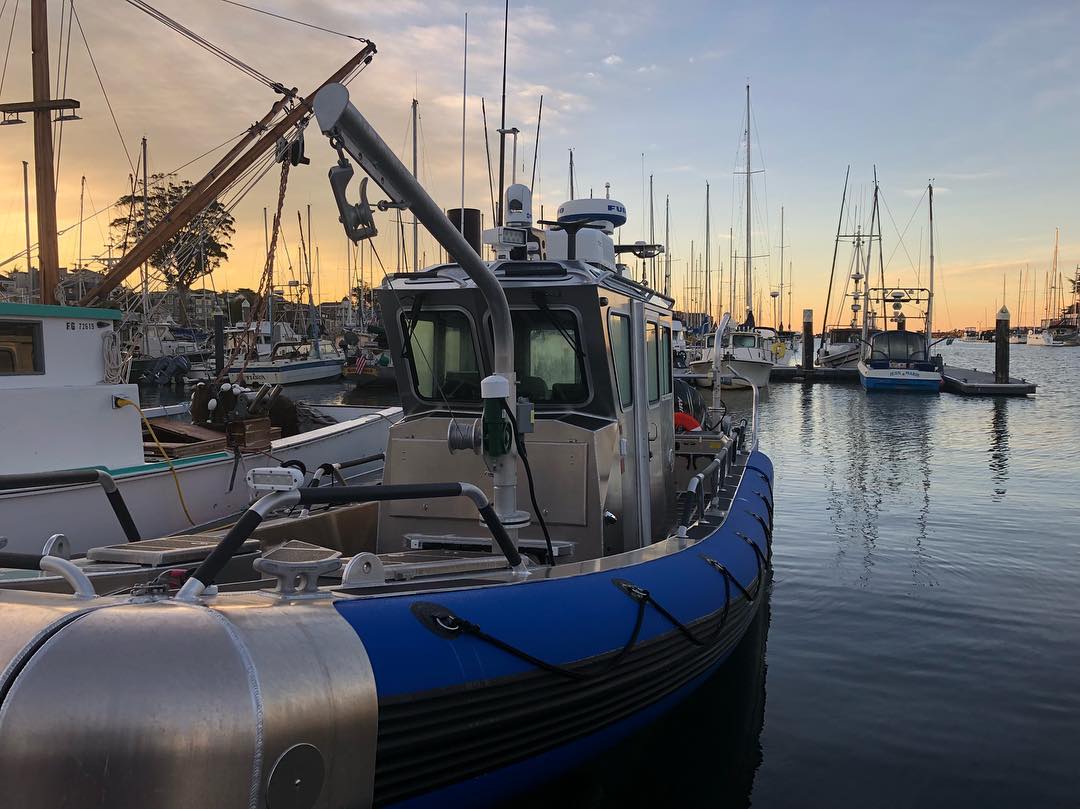

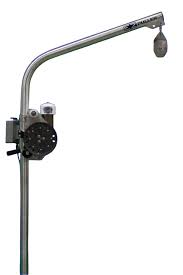
Shop for gear and you'll see crab pot hauler, pot puller, trap puller, crab puller, and line hauler used almost interchangeably. It's a fair question whether they mean different things. Most of the time they don't. The real differences are in how the unit is powered, how it mounts, and how much it can lift.
Short answer: Crab pot hauler, crab pot puller, crab trap puller, and line hauler all describe a device that retrieves crab pots by pulling the line. The words vary by region and seller. The meaningful differences are the power source (manual, electric, gas, or hydraulic), size, and whether it mounts on a davit or a downrigger base.
One Job, Many Names
Fisheries Supply says a pot puller is also called a pot hauler or line hauler: a device that lifts crab or shrimp pots with less effort and more control. "Trap puller" and "crab puller" are the same idea in different words.
"Pot" and "trap" also mean the same gear. In some regions, fishermen say "pot." In others, "trap." A crab pot is a crab trap. A lobster trap is sometimes called a lobster pot.
Some sellers use "hauler" for heavier commercial units and "puller" for lighter recreational ones. That's a habit, not a rule, so always check the specs rather than trusting the name.
A Quick Glossary
- Pot puller / pot hauler: a device that retrieves a pot by pulling its line
- Trap puller: same thing, using "trap" instead of "pot"
- Line hauler: emphasizes the line being pulled, often used for electric units
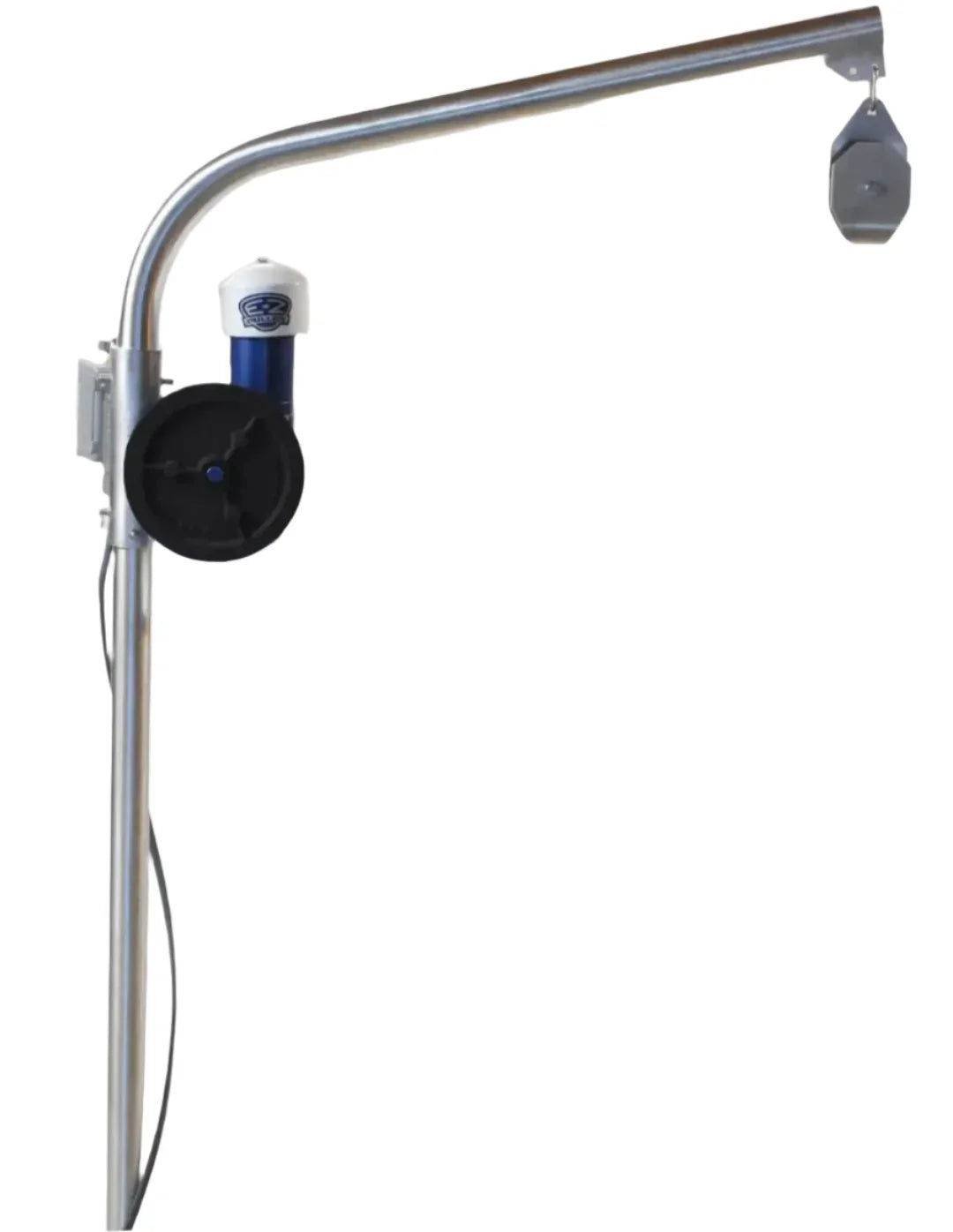
- Davit: the vertical arm that holds the pulley and swings the pot aboard
- Capstan or sheave: the wheel that grips the line and drives it in
- Block or roller: the pulley at the top of the arm that guides the line
Where Real Differences Show Up
Power Source
Manual. A davit and roller, and you pull by hand. No motor, no wiring. Best for light use and small boats.
Electric. A 12V or 24V motor drives the line. Quiet, easy to store, and a good fit for most recreational and light commercial work. It depends on your boat's electrical system.
Gas. A small engine drives the line. Strong and independent of your battery, but it adds fuel, noise, and maintenance. It can't be stowed in an enclosed cabin the way an electric unit can.
Hydraulic. Common on larger commercial vessels with a hydraulic system. Very powerful, but it requires pumps, hoses, and a boat built for it.
Mount Style
Downrigger-base units bolt onto an existing downrigger mount. They're compact and removable. Many electric pullers fit common downrigger bases, which makes them popular on boats that already have them.
Davit-style units use a tall arm that lifts the line high, so the pot clears the rail and swings aboard. They cost more and take more effort to install, but they do more of the lifting.
Size and Duty
Pipe diameter (1.5" or 2"), wall thickness (Schedule 40 or 80), height (65" or 75"), and motor rating all change what a unit can handle. A light recreational unit and a commercial hauler can both be called a "crab pot puller" and be completely different machines.
What About a Crab Davit?
A crab davit is the arm itself: the vertical pipe with the pulley. On a manual puller, the davit is the whole device. On an electric hauler, the motor mounts to the davit. The mount at the base holds the arm to your boat. We build 2" davit mounts and 1.5" mounts to match each pipe size.
Why the Name Confusion Matters
Different names point to different search results and different products. If you search "crab pot hauler," you may see commercial units. "Crab puller for boat" may surface small-boat gear. Two products with different names may be nearly identical, and two with the same name may not be.
That's why comparing by specs is more reliable than comparing by label.
How to Compare Units by Specs
When two products look similar, check:
- Power source: manual, electric (12V or 24V), gas, or hydraulic
- Maximum load rating: what weight it's built to pull
- Davit pipe size and schedule: 1.5" or 2", Schedule 40 or 80
- Height: 65" or 75" for davit-style units
- Mount type: davit mount, gunnel mount, or downrigger base
- Line size: the rope diameters it accepts
- Parts availability: can you buy rollers, sleeves, and mounts separately?
Which Should You Buy?
- Small boat, no electrical capacity: a manual puller
- Recreational or light commercial, 12V system: an electric hauler
- Heavy commercial, deep water: a high-torque electric or hydraulic unit
Browse our manual pullers and electric haulers to compare real specs side by side.
FAQs
Is a crab pot hauler the same as a puller?
Usually yes. The terms are used interchangeably.
Is a trap puller different from a pot puller?
No. Pot and trap mean the same gear.
What's a line hauler?
Another name for a device that pulls pot line.
Which should I buy for a small boat?
A manual or light electric unit, depending on your electrical capacity.
Do I need a davit?
If you want the pot lifted and swung aboard, yes.
Is "hauler" always more powerful than "puller"?
Not always. Check the specs rather than the name.
Pick by Specs, Not Names
Still unsure which type fits your boat? Contact us with your boat size, pot weight, and depth, and we'll help you choose.