
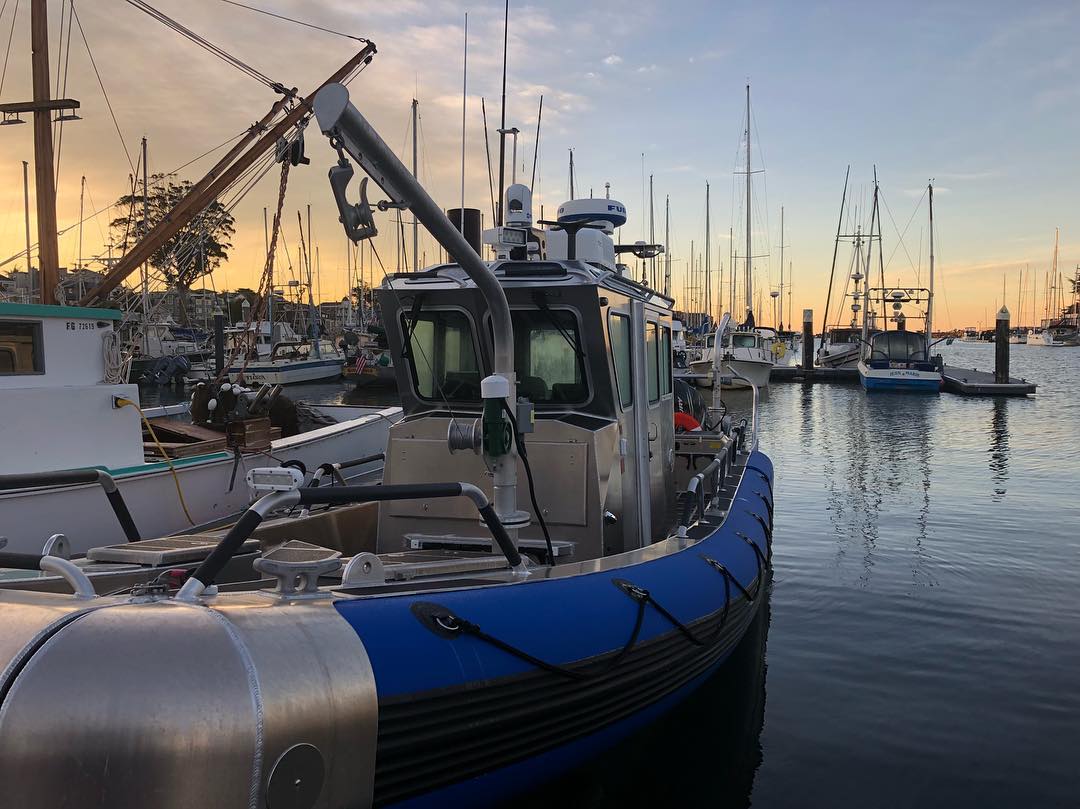

A 16-foot skiff and a 30-foot commercial boat aren't fishing the same equipment problem, but a lot of buying guides talk about pot pullers like they are. On a small boat, space, weight, and available power aren't abstract considerations — they're real limits that shape what actually works, not just what's technically available to buy.
Electric and manual pullers solve the same core problem — getting a pot up without hand-over-hand hauling — but they ask very different things of a small boat. Here's how to figure out which one actually fits yours.
Why Small Boats Change This Decision
On a larger commercial vessel, adding an electric puller is rarely a space or power constraint — there's room for a battery bank, room to mount a davit, and enough electrical capacity that one more accessory barely registers. A skiff or small runabout doesn't have that luxury. Every pound and every square foot of deck space is already accounted for, and adding a wiring circuit means thinking about where that power is actually coming from on a boat that may only have one small battery to begin with.
This is why the "which one is better" question matters less here than "which one fits what my boat can actually support."
What a Manual Puller Offers a Small Boat
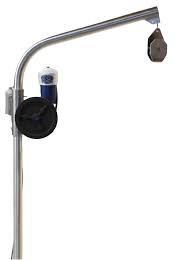
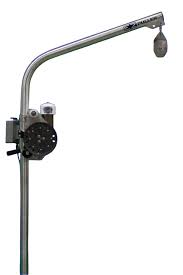
A manual puller uses mechanical leverage — a hand crank or lever system — to reduce the effort of hauling without any motor or battery involved at all. For a lot of small-boat and skiff owners, that simplicity is the whole appeal.
Where manual makes sense:
- No electrical system required. If your skiff has minimal or no 12V setup, a manual puller sidesteps the wiring question entirely.
- Lighter overall weight. No motor, no battery draw, no additional wiring — just the mechanical unit itself, which matters more on a boat where every pound affects handling.
- Lower cost to get started. Manual units are generally the more affordable entry point into powered assistance versus full hand-hauling.
- Simple to maintain. Fewer components means less that can fail — no motor to service, no electrical connections to worry about corroding.
Where manual falls short:
- Still requires real physical effort, just less than pure hand-hauling. It's a reduction in strain, not an elimination of it.
- Slower retrieval, especially on heavier pots or in deeper water, since you're still providing the pulling force yourself.
- Less practical for frequent, heavy use. A manual unit that's fine for occasional recreational crabbing can become genuinely tiring if you're pulling often or from significant depth.
What an Electric Puller Offers a Small Boat
An electric puller takes the physical effort out of hauling almost entirely, using your boat's 12V system to power a motor that does the actual pulling. On a small boat, the question isn't whether this works — it clearly does — but whether your boat can support it without compromising other things.
Where electric makes sense:
- Significantly less physical effort, which matters even more on a small boat where you're also managing steering, positioning, and everything else solo, often without a lot of deck space to brace yourself while hauling.
- Faster, more consistent retrieval, especially valuable if you're fishing multiple pots in a single trip.
- Scales well if your fishing frequency increases. An electric setup handles more frequent or deeper pulls without adding more physical fatigue the way a manual unit does.
Where electric requires more from your boat:
- You need a working 12V electrical system with enough battery capacity to support it — see our guide on how many amp-hours your setup actually needs if you're not sure what your skiff's battery can handle.
- Correct wiring is non-negotiable. A small boat doesn't have room for wiring shortcuts, and our guide on fuse and wire sizing applies just as much to a compact setup as a larger one.
- More components to mount and maintain — motor, wiring, switch, and the mount itself all need a home on a boat where space is already tight.
- Higher upfront cost, factoring in the puller, wiring components, and potentially a battery upgrade if your existing one isn't sized for it.
The Real Question: What Does Your Skiff Actually Support?
Instead of deciding based on which option sounds more capable, work through these questions specific to your boat:
- What's your current electrical system like? A skiff with a single small starting battery and no house battery may need an upgrade before electric makes sense, which adds cost and complexity beyond just the puller itself.
- How much usable deck and gunnel space do you actually have? A mount, motor, and wiring all need a physical home that doesn't interfere with how you move around a small boat.
- How often are you pulling, and from what depth? Occasional, shallow recreational crabbing is well within what a manual puller handles comfortably. Frequent or deeper pulling starts to make the physical effort savings of electric worth the added setup.
- What's your boat's total weight budget? Every addition to a small boat affects trim and handling more noticeably than on a larger vessel — worth factoring in alongside pure functionality.
- Are you fishing solo? Managing boat positioning and pulling by hand simultaneously is more demanding on a small boat than a larger one with more stable footing and possibly a second set of hands.
Mounting Considerations Specific to Small Boats
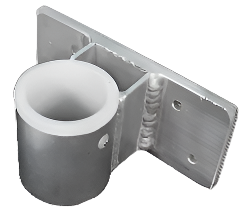
Whichever direction you go, mounting matters even more on a small boat than a large one, since there's less structural mass to absorb load without careful placement. Our guide on mounting a davit without stressing your gunnel is worth reading closely if you're working with a smaller, potentially less reinforced hull — the leverage math doesn't change based on boat size, but a small boat often has less built-in reinforcement to fall back on.
A gunnel mount tends to work well on skiffs with accessible rail space, while a deck mount may suit boats where the gunnel itself is thinner or less structurally reinforced.
A Middle Ground Worth Knowing About
If a full electric setup feels like more than your skiff can support right now, upgrading a manual puller is a reasonable step without committing to wiring a new electrical circuit. Manual units still meaningfully reduce hauling effort compared to bare hand-pulling, and they're a practical choice for boats where adding a battery and wiring isn't realistic yet.
Some fishermen also start manual and upgrade to electric later once they've confirmed how often they're actually fishing and whether their boat's electrical system can support the addition — there's no requirement to commit to the bigger setup on day one.
Our Lineup for Both Approaches
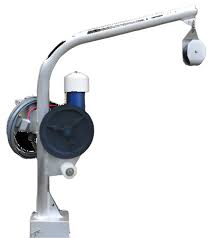
We build both Electric Haulers and Manual Pullers specifically because small-boat owners and larger commercial operators aren't solving the same problem. Our manual pullers are lightweight, low-maintenance options built for boats where a motor and wiring aren't the right fit, while our standard 1.5" electric units handle recreational and light commercial use without requiring the heavier-duty setup our Pro HT2 series is built for.
Every unit is hand-built in the USA from our own original designs, and for nearly 35 years, that's meant building gear sized honestly for the boat it's going on — not assuming every setup calls for the same solution.
Getting the Right Fit for Your Boat
If you're not sure whether your skiff or small boat can support an electric setup, or which manual unit makes the most sense for how you fish, that's worth working through before you buy rather than after you've committed to wiring you didn't need or a manual unit that's more effort than your fishing frequency justifies.
Contact our team with your boat's size, current electrical setup, and how you typically fish, and we'll help you land on the right choice. Browse our full Electric Haulers and Manual Pullers lineups, or find EZ Puller gear through our dealer network.
FAQs
Can I install an electric puller on a boat with no existing electrical system?
Yes, but you'll need to add a battery and properly sized wiring, which increases the cost and complexity beyond the puller itself.
Is a manual puller too much effort for regular use?
It depends on your typical depth and pot weight. Manual units meaningfully reduce effort versus hand-hauling, but frequent or deep pulling is where electric starts to make a bigger practical difference.
Do I need a bigger battery if I add an electric puller to a small boat?
Possibly. If your current battery is sized only for starting and basic accessories, you may need additional capacity — our amp-hour guide walks through how to calculate what you actually need.
Which option adds less weight to a small boat?
Manual pullers are generally lighter overall, since there's no motor, battery draw, or wiring involved.
Can I upgrade from manual to electric later?
Yes, this is a common path. Starting manual and upgrading once you've confirmed your fishing frequency and electrical capacity is a practical way to avoid overcommitting upfront.
Is mounting different on a small boat versus a larger one?
The mounting principles are the same, but small boats often have less structural reinforcement, making correct mount sizing and backing even more important.
Do manual pullers work well for shrimping in deeper water?
They can, but the physical effort increases with depth. If you're regularly shrimping in significant depth, electric may be worth the added setup.
Is electric overkill for occasional recreational crabbing on a skiff?
Not necessarily overkill, but for very occasional, shallow use, a manual puller may accomplish what you need without the added electrical setup.
What's the biggest mistake small-boat owners make with this decision?
Choosing electric without confirming their boat's electrical system can actually support it, leading to wiring shortcuts or battery capacity that isn't sufficient for reliable use.
How do I know which specific EZ Puller model fits my skiff?
Reach out with your boat's size, current electrical setup, and typical fishing depth and frequency, and our team can recommend the right electric or manual unit for your situation.