

If you've ever stared at a wiring diagram trying to figure out whether your puller needs a 30-amp breaker or a 50-amp one, you're not alone. It's one of the most common questions fishermen run into after buying an electric hauler — and getting it wrong doesn't just mean a blown fuse. It can mean a puller that bogs down right when you're hauling a full pot, or worse, a wiring fire on a boat where that's the last thing you want to deal with.
Electric pullers draw a lot more current than most of the other gear on your boat's 12V system. That catches people off guard, because the wiring rules that work fine for a bilge pump or a set of lights don't hold up under a puller's load.
Why This Trips Up So Many Fishermen
The confusion almost always comes down to one thing: pot pullers pull heavy current at low voltage. A puller motor working hard against a loaded trap can draw 40, 60, even 80 amps depending on the motor size — while your downriggers or bilge pump might only pull a handful of amps.
That mismatch is where mistakes happen. Fishermen often reuse a downrigger plug or an undersized fuse because it's already wired in and convenient, only to find it trips constantly or heats up under load. Others go the opposite direction and oversize the wire without protecting it with the right fuse, which defeats the point of having a fuse at all — a fuse's job is to protect the wire, not just the motor.
Get the sizing right once, and you stop thinking about it. Get it wrong, and you're troubleshooting a "weak" puller that was never actually the problem — the wiring was.
How Fuse Size, Wire Gauge, and Battery Draw Work Together
Three things have to match for a 12V puller circuit to work safely:
- Wire gauge — thick enough to carry the motor's peak amp draw without excessive voltage drop over the length of the run.
- Fuse or breaker rating — sized to protect that specific wire, not just sized to "whatever the motor needs."
- Battery and connection capacity — enough reserve and clean connections to deliver that current on demand, repeatedly, over a day of hauling.
The general rule marine electricians use: pick your wire gauge first based on amp draw and total round-trip wire length (there and back to the battery, not just one way), then size the fuse to protect that wire — not the other way around. A longer run needs a heavier gauge than a short one carrying the same load, because voltage drop increases with distance.
This is also why "it worked fine on my last boat" doesn't always carry over. A shorter or longer wire run, a different battery location, or a different motor size changes the math every time.
Getting the Install Right the First Time
A few things make the biggest difference in a clean, reliable install:
- Run from the battery, not a shared accessory circuit. Pullers draw too much current to safely share a plug meant for lighter gear.
- Use a marine-rated, waterproof fuse holder or breaker, mounted close to the battery — not buried somewhere it's hard to reach if it trips mid-haul.
- Protect every connection from saltwater. Corrosion at the plug or terminal is one of the most common reasons a puller that was wired correctly starts acting up months later.
- Confirm your specific motor's amp draw before finalizing wire and fuse size — this varies by hauler size and horsepower, so check your unit's installation instructions or reach out to EZ Puller Inc. directly for guidance on your exact model.
That last point matters more than people expect. A puller built for heavier commercial pots draws noticeably more current than a lighter recreational unit, and wiring both the same way is how fuses end up either blowing constantly or not protecting anything at all.
Where EZ Puller Fits Into This
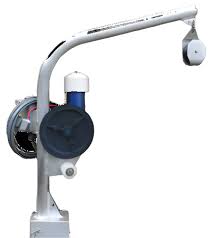
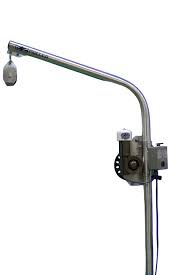
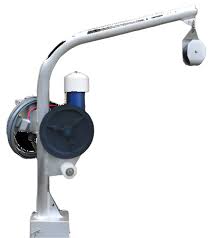
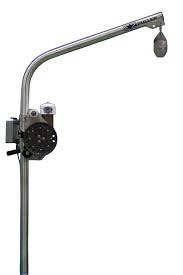
We hand-build every EZ Puller electric hauler in the USA, and part of building a hauler that holds up commercially is making sure the electrical side is just as solid as the mechanical side. Our 1.5" and 2" electric motor packages are designed for real duty cycles — not light, occasional use — which is exactly why getting the wiring right matters more with a puller like ours than it does with a lighter-duty unit.
To make the electrical side simpler, we carry a 12VDC 50-amp on/off switch built specifically to work with EZ Puller models, available in our Electrical Accessories collection. It gives you a clean, dedicated way to control power to your hauler without improvising with gear that wasn't built for the load.
A Few Practical Notes From the Water
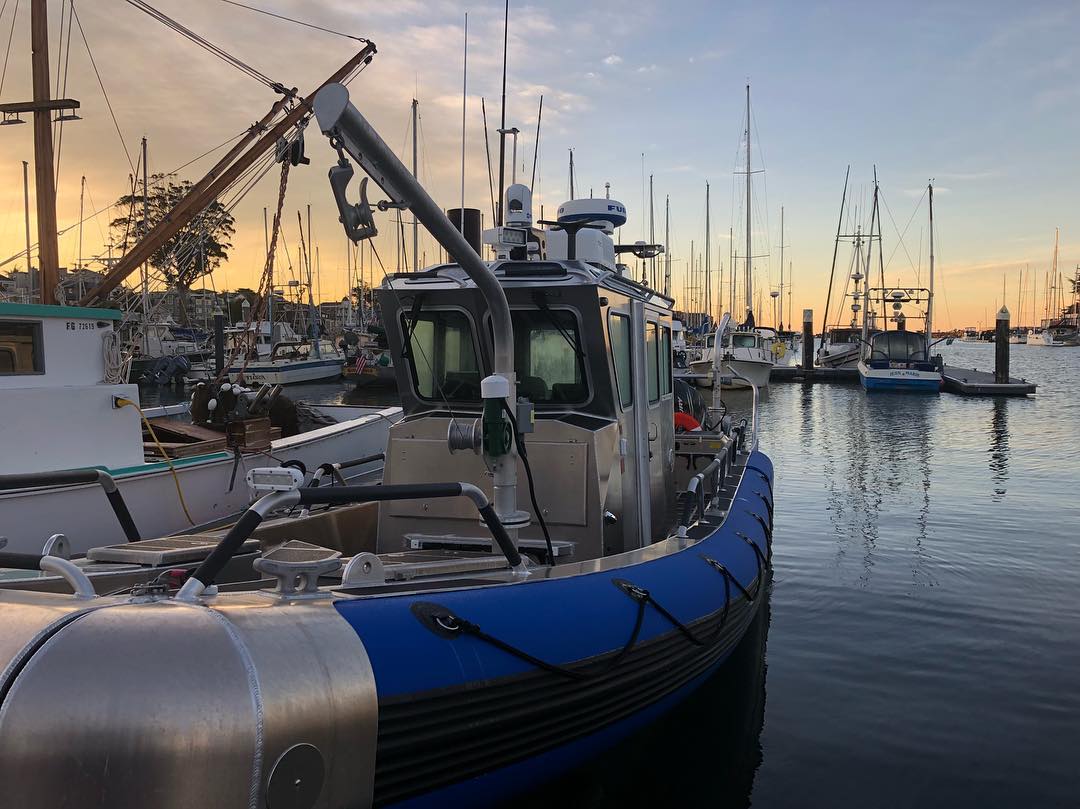
Most fishermen wire their puller close to where the davit mount sits, which keeps the run short and simple. If your battery is farther away — common on larger boats or ones with the battery bank amidships — plan on stepping up your wire gauge to compensate, not just running a longer length of the same wire you'd use for a short run.
It's also worth mounting your breaker or fuse holder somewhere you can actually get to it with wet hands and gloves on, since that's the reality of using it. A fuse holder tucked behind a panel you have to remove tools to access defeats the purpose in the moment you actually need it.
Why It's Worth Taking the Time to Do This Right
A properly wired puller isn't just about avoiding a blown fuse. It's the difference between a hauler that pulls consistently trip after trip and one that seems to lose power at random, corrodes early, or leaves you troubleshooting electrical gremlins instead of fishing. For nearly 35 years, we've heard from fishermen who assumed their puller was underpowered when the real issue was a wiring shortcut somewhere upstream.
If you're setting up a new EZ Puller electric hauler or troubleshooting an existing install, our team can walk you through what your specific model needs. Contact us before you wire it in, or browse our Electric Haulers and Electrical Accessories to get your setup built right from the start.
FAQs
Do all electric pot pullers need the same size fuse?
No. Fuse size depends on the motor's amp draw and the length of your wire run, which varies by hauler size and boat layout. Check your specific model's instructions before wiring it in.
Can I use my downrigger plug and wiring for my pot puller?
It's not recommended. Downrigger circuits are typically rated for less current than a puller motor needs, which can cause nuisance tripping or overheating.
What happens if I use a wire gauge that's too thin?
The wire will experience excessive voltage drop and heat buildup under load, which can weaken your puller's pulling power and create a fire risk over time.
Should I fuse the circuit near the battery or near the puller?
Near the battery. The fuse's job is to protect the wire itself, so it should be placed as close to the power source as possible.
Why does my puller seem weaker than it should be even though it's wired?
This is often a wiring issue, not a motor issue — undersized wire, a long run without compensating gauge, or a corroded connection can all rob a puller of its full pulling power.
Can I wire two electric accessories, like a puller and a downrigger, into the same circuit?
It's better to keep them on separate, individually fused circuits sized for each device's specific draw, rather than sharing one circuit.
How do I know what amp draw my EZ Puller model needs?
Check the installation instructions included with your unit, or contact our team directly with your model information for exact wiring guidance.
Does saltwater exposure affect my wiring even if it's sized correctly?
Yes. Correct sizing doesn't prevent corrosion — use marine-rated, sealed connections and check them periodically, especially at the plug and battery terminals.
Is a resettable breaker better than a standard fuse?
Both work well when sized correctly. A resettable breaker is convenient because you don't need to carry spare fuses, but either option protects the circuit as long as it's rated properly.
Where can I get the right on/off switch for my EZ Puller hauler?
We carry a 12VDC 50-amp on/off switch built specifically for EZ Puller models in our Electrical Accessories collection.