

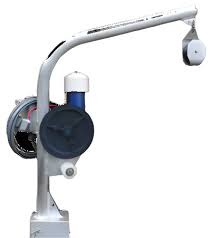
Ask ten fishermen how they wired their electric puller and you'll get a mix of answers. Some run a dedicated line straight to the battery with an inline fuse. Others tie into a fuse block along with their downriggers, bilge pump, and everything else on the 12V system. Both approaches work — but they're not interchangeable, and picking the wrong one for your boat is how people end up with a puller that trips constantly or a fuse block that can't keep up.
Here's how to actually decide, instead of just copying whatever your buddy did on his boat.
The Quick Answer
If your puller is the only high-draw accessory you're adding, or your battery is close to where the puller mounts, running straight to the battery with its own dedicated fuse is usually the simpler, more reliable choice. If you're already managing several accessories through a central panel and want everything organized and switchable from one place, a properly sized fuse block circuit works just as well — as long as that circuit is rated for the puller alone.
The real decision isn't which method is "better" in general. It's which one fits how your boat is already wired.
Running Straight to the Battery
This is the most common setup for a single electric puller, and for good reason — it's straightforward and leaves little room for error.
What makes this work well:
- Fewer connections between the battery and the motor means fewer places for voltage drop or corrosion to creep in
- Easier to size correctly, since you're only accounting for one device's draw
- Common on boats where the puller is the only heavy accessory added after the fact
Where it falls short:
- If your battery is far from the puller's mounting location, you're running a long dedicated cable just for that one device
- No shared switching — you'll want a dedicated on/off switch or breaker at the puller itself for convenience
- Adding more accessories later means repeating this same process for each one, rather than having a central hub
Most fishermen who wire directly to the battery still install a switch near the helm or the puller mount so they're not reaching into a battery compartment every time they want power. That's less about wiring philosophy and more about not wanting to fumble with terminals mid-haul.
Running Through a Fuse Block
A fuse block (sometimes called a distribution panel) takes one heavy feed from the battery and splits it into multiple individually fused circuits — one for the puller, one for the bilge pump, one for lights, and so on.
What makes this work well:
- Everything is organized in one place, which makes troubleshooting far easier down the road — if something trips, you're checking one panel instead of chasing wires around the boat
- Cleaner if you're already running several accessories, since you avoid a tangle of individual battery connections
- Easier to add accessories later without touching the battery terminals again
Where it falls short:
- The feed wire from the battery to the block itself needs to be sized for the combined draw of everything on it, not just the puller — undersizing that main feed is a common mistake
- More connection points overall between battery and motor, which means more places corrosion or a loose terminal can cause problems
- If the puller's circuit on the block isn't fused separately and correctly for its specific draw, it can nuisance-trip or, worse, not protect the wire the way it should
The puller still needs its own dedicated fuse sized to its wire gauge within the block — it can't share a fuse rated for a lighter accessory just because it's convenient.
What Actually Determines Which One You Should Use
Instead of picking a side, walk through these questions:
- Is the puller your only new high-draw accessory? If yes, a dedicated battery run is usually simpler.
- Do you already have a fuse block installed with room to spare? If yes, and it's properly rated, adding the puller there can be cleaner than running a new cable to the battery.
- How far is your battery from the puller's mount? A long run favors tying into a closer fuse block if one exists, rather than running heavy-gauge wire the full distance to the battery.
- Do you plan to add more electric accessories later? If you're building out your boat's electrical system over time, a fuse block gives you room to grow without repeating the wiring process from scratch each time.
There's no single right answer here — it depends on what's already on your boat and how it's laid out. What matters more than which method you pick is that whichever one you choose is sized correctly for your specific puller's amp draw, not borrowed from a lighter-duty accessory's wiring.
Getting the EZ Puller Setup Right
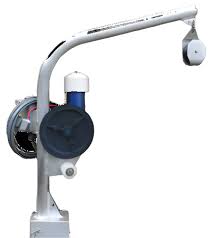
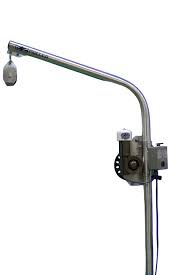
Every EZ Puller electric hauler is hand-built in the USA to handle real commercial duty cycles, which means the electrical side of the install deserves the same attention as the mechanical mount. Whether you're running direct to the battery or into an existing fuse block, we can walk you through what your specific 1.5" or 2" electric motor package needs so you're not guessing.
To make either setup cleaner, our 12VDC 50-amp on/off switch is built specifically to work with EZ Puller models, giving you a dedicated, reliable way to control your hauler regardless of which wiring method you go with. Find it in our Electrical Accessories collection.
A Practical Middle Ground
Plenty of fishermen end up doing a version of both: a short, dedicated run from the battery to a single heavy-duty breaker mounted right at the puller, with that breaker acting almost like its own mini fuse block for just that device. It gives you the simplicity of a direct connection with the convenience of an accessible, dedicated switch — without tying the puller's protection to anything else on the boat.
If you're not sure which setup makes sense for your boat's layout, that's exactly the kind of question worth asking before you start running wire, not after something trips mid-season.
Contact us with your boat's setup and your EZ Puller model, and we'll help you figure out the right wiring approach — or browse our Electric Haulers and Electrical Accessories to get started.
FAQs
Is one method safer than the other?
Both are safe when wired correctly. Safety comes down to correct fuse sizing and solid connections, not which method you choose.
Can I add my puller to an existing fuse block instead of running new wire to the battery?
Yes, as long as the block's main feed wire can handle the added load and the puller gets its own properly rated fuse within the block.
Do I still need a switch if I wire straight to the battery?
It's strongly recommended. Without one, you'd need to disconnect at the battery terminal every time you want to cut power, which isn't practical on the water.
What size fuse block do I need for a puller plus my other accessories?
It depends on the combined amp draw of everything on the block. Size the main feed for the total load, and each individual circuit for its own device.
Will a fuse block reduce my puller's pulling power?
Not if it's wired correctly. Reduced power usually comes from undersized wire or a long run, not from using a fuse block itself.
Can I switch from a direct battery connection to a fuse block later?
Yes, this is a common upgrade as boats add more electrical accessories over time. It just means re-running the puller's circuit into the new block.
What's the most common mistake people make with fuse blocks?
Undersizing the main feed wire from the battery to the block, since it needs to handle the combined draw of every circuit on it, not just one device.
Should I ask EZ Puller which method to use for my specific model?
Yes — amp draw varies by hauler size, and we can give you guidance specific to your model rather than a generic answer.