

New and even experienced fishermen sometimes assume that a pot is a pot — that any trap will work for any species if it's roughly the right size. In reality, crab pots, lobster traps, and the nets used alongside them are built with distinct design differences that directly affect how well you catch, and how often you're pulling up an empty trap instead of a full one.
If you're deciding between crab pots, lobster traps, and the right nets to pair with them, understanding those differences can save you time, gear, and frustration on the water.
Why Species-Specific Gear Actually Matters
Crab and lobster behave differently, move differently, and respond to bait and entry points differently. Gear that isn't designed around those behaviors won't perform as well, even if it looks similar at a glance.
Using the wrong pot design for your target species often shows up as a slow, frustrating pattern: pots come up light, bait disappears without catch, or target species escape through entry points sized for a different animal entirely. Over the course of a season, that inefficiency adds up to real losses in both time and catch, especially for commercial operations running dozens of pots on a tight schedule.
Understanding what separates crab pots from lobster traps — and how nets factor into the equation — helps you build a setup that's actually working for your specific target, rather than just generically "fishing."
Crab Pots: Built for a Different Kind of Catch
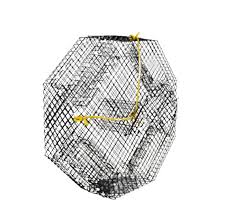
Crab pots are generally designed with entry tunnels or funnels sized and angled specifically for crab behavior, encouraging crab to enter while making it harder for them to find their way back out. Depending on the target crab species and local regulations, escape rings are also built in to allow undersized crab to exit, supporting both conservation and legal compliance.
Frame construction matters here too. Crab pots need to hold their shape under the weight of catch and current while resting on the seafloor, which is why rigid, corrosion-resistant frame materials make a meaningful difference over a full season of use.
Lobster Traps: Different Behavior, Different Design
Lobster traps are built around different target behavior. Lobster tend to move and enter traps differently than crab, which is reflected in how entry points, interior chambers, and overall trap shape are designed. Many traditional lobster trap designs include multiple chambers — an entry area and a holding "parlor" section — intended to make it harder for lobster to escape once inside, compared to the simpler single-chamber approach common in many crab pot designs.
As with crab pots, durability matters significantly. Lobster traps spend extended time submerged in saltwater, often in deeper or rougher conditions depending on the fishery, so frame strength and corrosion resistance are just as critical here as they are for crab gear.
The Role of Nets in a Complete Setup
Nets serve a different but complementary role alongside pots and traps. Depending on your fishing style and target species, nets may be used for initial catch handling, sorting, or as part of specific regional fishing techniques.
Choosing the right net comes down to matching mesh size and construction to your target species and local regulations, much like pot and trap selection. A net that's too fine or too coarse for your target catch either lets fish escape or creates unnecessary handling difficulty. Durability matters here too — a net exposed to repeated saltwater use and physical handling needs construction that can withstand that wear without deteriorating early in the season.
Buying Considerations: Choosing the Right Gear for Your Target Species
Before ordering crab pots, lobster traps, or nets, a few practical factors are worth working through:
Target species first. Your gear choice should start with what you're actually fishing for, since crab and lobster gear are built around genuinely different behaviors and catch patterns.
Local regulations. Escape ring sizing, trap dimensions, and net mesh requirements are often dictated by regional fishing regulations, so confirming local rules before ordering prevents costly mistakes.
Fishing depth and conditions. Deeper or rougher fishing grounds put more stress on gear, which may influence how much you prioritize frame strength and construction quality.
Fleet consistency. Commercial operations running multiple pots or traps benefit from consistency across units, so hauling, resetting, and maintenance stay predictable.
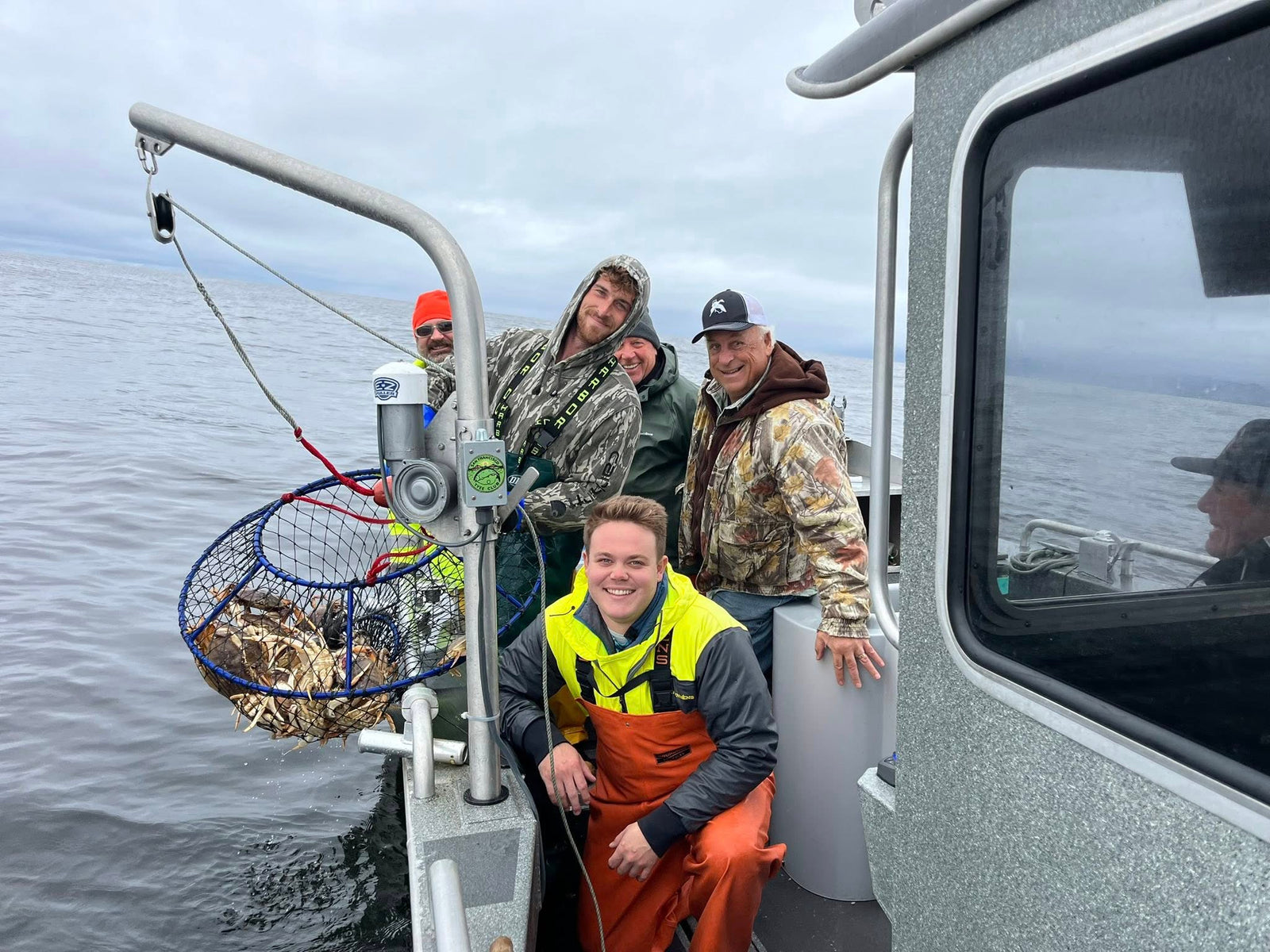
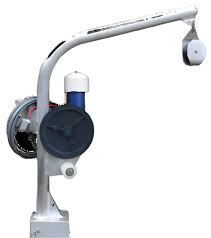
Compatibility with your hauling system. Whatever pots or traps you choose should work smoothly with your existing davit mount and electric hauler setup, so pulling and resetting stays efficient rather than becoming its own bottleneck.
Pairing the Right Gear With the Right Hauling System
Even the best-designed crab pot or lobster trap is only as effective as the system pulling it up. An electric hauler paired with a properly matched davit mount reduces the physical strain of repeated hauls, while a line tensioner helps keep the pulling process smooth and consistent. For fishermen running a mix of crab and lobster gear, having a hauling system that performs reliably across different pot types and weights makes the whole operation more efficient, rather than adjusting technique pot by pot.
Why Fishermen Trust EZ Puller Inc. for Species-Specific Gear
EZ Puller Inc. hand-builds some of the West Coast's most effective Dungeness crab and shrimp pots, developed from nearly 35 years of hands-on experience designing fishing equipment in the USA. Rather than producing generic, one-size-fits-all traps, EZ Puller Inc. focuses on gear engineered to meet commercial standards for real target species, while remaining practical and accessible for sport fishermen.
Paired with EZ Puller Inc.'s electric haulers, davit mounts, and accessories, that gear becomes part of a complete system — one built to perform consistently whether you're running crab pots, working lobster gear, or managing a mixed operation.
Fish the Right Gear for the Right Catch
If your current pots or traps aren't matched to your target species, or you're relying on outdated gear that's costing you catch, it's worth revisiting your setup from the ground up. Explore EZ Puller Inc.'s hand-built crab pots and related fishing gear, engineered specifically for real-world performance rather than generic use.
Not sure which pot design or configuration fits your target species and local regulations? Reach out to the EZ Puller Inc. team directly — they can help you choose the right gear and pair it with a hauling system built to match, so every trip on the water works in your favor.
Frequently Asked Questions
1. Can I use a crab pot to catch lobster, or vice versa?
Crab pots and lobster traps are designed around different target behaviors, so using the wrong gear for your target species typically results in lower catch rates.
2. What's the main design difference between crab pots and lobster traps?
Crab pots are often built with simpler entry tunnels, while lobster traps commonly use multi-chamber designs intended to make escape more difficult once lobster enter.
3. Do escape rings matter for both crab pots and lobster traps?
Yes, though sizing and placement vary by target species and are often dictated by local fishing regulations designed to protect undersized catch.
4. How do I choose the right net mesh size?
Mesh size should match your target species and comply with local regulations, since incorrect sizing can either let target catch escape or create unnecessary handling issues.
5. Are hand-built pots better than mass-produced ones?
Hand-built pots tend to offer tighter construction tolerances and more consistent quality, which often translates to better long-term performance in saltwater conditions.
6. Do lobster traps need to be heavier or sturdier than crab pots?
Trap strength requirements depend more on fishing depth and conditions than species alone, though both crab pots and lobster traps need solid, corrosion-resistant construction.
7. Can I run both crab pots and lobster traps with the same hauler?
A properly rated electric hauler can typically handle a range of pot and trap weights, though it's worth confirming compatibility with your specific gear.
8. How often should crab pots or lobster traps be replaced?
This depends on construction quality and usage, but well-built, corrosion-resistant gear can perform reliably across multiple fishing seasons.
9. Are there regional differences in crab pot or lobster trap design?
Yes, local regulations and target species behavior can influence specific design requirements, so it's worth confirming what's appropriate for your fishing region.
10. Where can I find crab pots and gear built for specific target species?
EZ Puller Inc. hand-builds crab pots and related fishing gear in the USA, engineered around real target species and commercial-grade performance standards.