
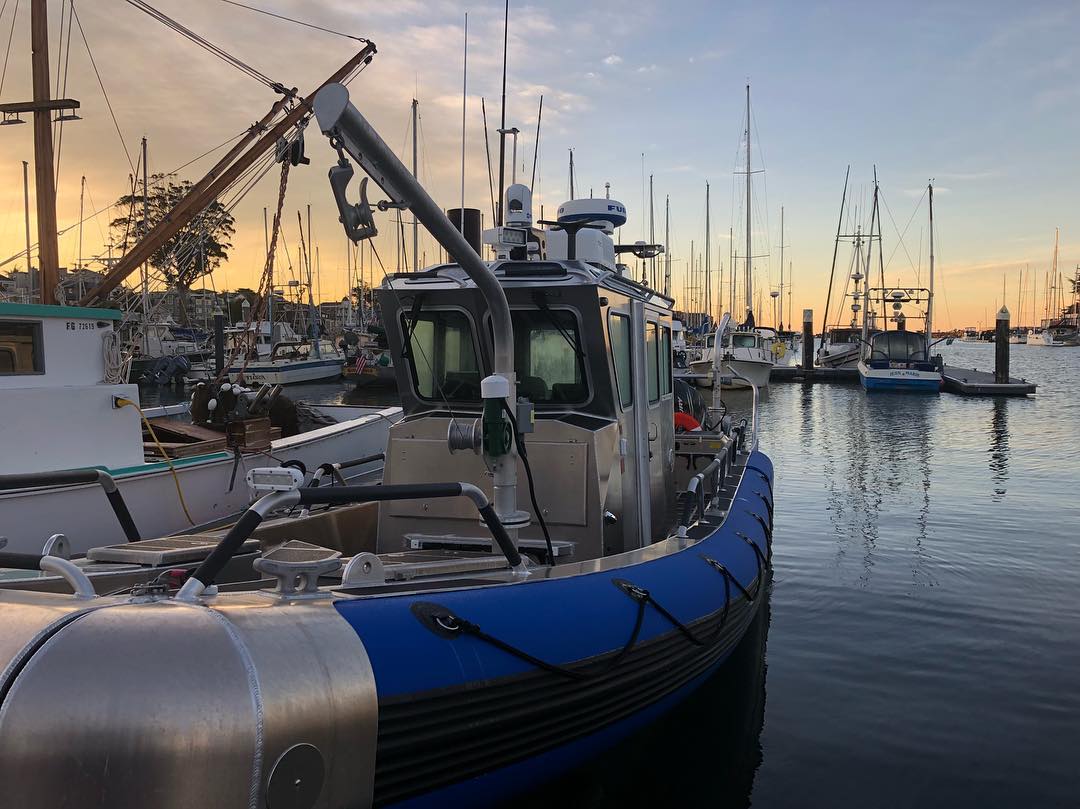

Walk down any dock and you'll see it — boats loaded with fishing gear, much of it collected over years, some of it essential, some of it just taking up space. When you're running a commercial operation or serious about recreational fishing, not every accessory earns its place on your boat. The ones that do, though, can noticeably change how smoothly your day runs.
If you're trying to figure out which fishing accessories, tackle, and equipment are actually worth investing in — rather than just filling a storage compartment — here's a practical breakdown.
Why Equipment Choices Matter More Than They Seem
It's easy to underestimate how much a handful of well-chosen accessories can affect a day on the water. The right gear doesn't just make things more convenient — it directly impacts efficiency, safety, and how long your core equipment lasts.
On a commercial boat, every piece of fishing equipment either earns its keep by saving time and reducing wear, or it becomes dead weight that complicates your setup. The same logic applies to recreational fishermen, just at a smaller scale. A poorly chosen accessory, or the absence of a critical one, can turn a smooth trip into a frustrating one — whether that means a hauler running without proper electrical protection, a line wearing out faster than it should, or gear that simply isn't built for saltwater conditions.
Understanding which categories of fishing accessories genuinely matter helps you build a setup that performs consistently, instead of accumulating gear that doesn't actually improve your operation.
Fishing Tackle That Supports a Working Hauling System
When most people hear "fishing tackle," they think of hooks, lures, and rigging for rod-and-reel fishing. But for boats running pot and trap operations — crab, lobster, shrimp — the equivalent tackle category includes the components that keep your pots, lines, and hauling system functioning together as intended.
This includes things like properly rated rope suited to the weight of your pots and the conditions you fish in, along with the connective hardware that keeps everything secure under repeated tension. Skimping on this category is one of the more common mistakes newer fishermen make, since it's tempting to treat rope and rigging as an afterthought compared to the more visible equipment like haulers and pots. In reality, a hauler is only as effective as the line and rigging feeding into it.
Fishing Gear Built for Saltwater Durability
"Fishing gear" is a broad category, but on a working boat, it typically narrows down to the equipment that gets used every single trip: mounts, hardware, and the physical components that hold your hauling system together.
Saltwater is unforgiving on gear that isn't built for it. Corrosion, salt buildup, and constant moisture exposure wear down low-quality components far faster than most fishermen expect. That's why experienced commercial fishermen tend to prioritize marine-grade materials across their gear, even for smaller components — because a weak link anywhere in the system, whether it's a mount, a fastener, or a bracket, can compromise the reliability of the entire setup.
Choosing gear designed specifically for saltwater commercial use, rather than general-purpose equipment adapted for marine conditions, tends to pay off in fewer replacements and more consistent performance across a season.
Fishing Equipment That Reduces Physical Strain
Beyond tackle and gear, there's a category of fishing equipment specifically designed to reduce the physical demands of a long day on the water. Electric haulers are the most obvious example, but supporting equipment plays a role too.
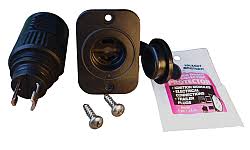
A line tensioner, for instance, helps keep hauling smooth and consistent, reducing wear on both the line and the hauler motor while making the pulling process more predictable. Electrical accessories — like a properly rated on/off switch — protect your hauling system and make day-to-day operation simpler and safer. None of these components are flashy, but they're the kind of equipment that experienced fishermen notice the absence of far more than the presence.
For anyone running a demanding daily schedule of pot checks, resets, and hauls, this category of equipment is often what separates a smooth, efficient operation from one that's constantly working around avoidable friction.
Fishing Accessories Worth Prioritizing
If you're building out or upgrading your setup, a few categories of accessories consistently deliver real value:
- Electrical accessories — switches, wiring components, and connectors rated for marine use and consistent daily operation
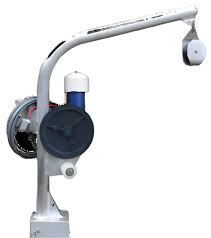
- Mounting hardware — davit mounts sized correctly for your boat's rail and your hauling equipment
- Line management tools — tensioners and related accessories that reduce wear and improve hauling consistency
- Miscellaneous accessories — smaller components that support your core equipment, from replacement hardware to setup-specific add-ons
The goal isn't to accumulate every accessory available, but to identify the specific gaps in your current setup and fill them with equipment built for the way you actually fish.
Buying Considerations Before You Stock Up
Before adding new accessories or gear to your boat, a few practical questions are worth asking:
Does it match your existing equipment? Accessories should be compatible with your current haulers, mounts, and pots rather than requiring workarounds or partial fits.
Is it built for saltwater use? General-purpose equipment often doesn't hold up the same way marine-rated gear does under repeated saltwater exposure.
Does it solve a real problem? The most valuable accessories address specific friction points in your current setup — a missing electrical protection, inconsistent line tension, an unstable mount — rather than being added just because they're available.
Is it built to last? Equipment made with attention to detail and quality materials tends to outperform mass-produced alternatives over a full fishing season, even when the upfront cost is similar.
Why Fishermen Turn to EZ Puller Inc. for Gear and Accessories
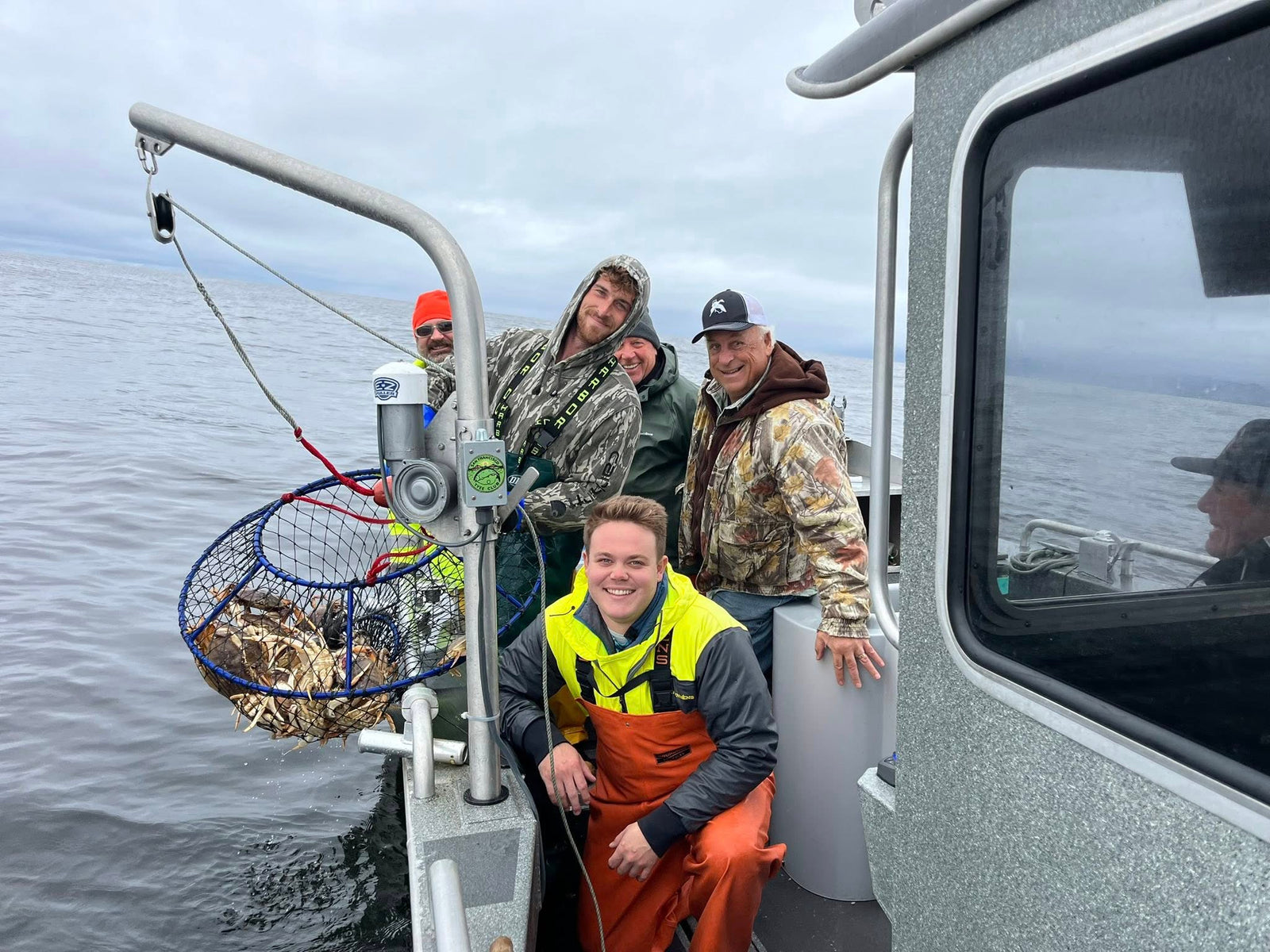
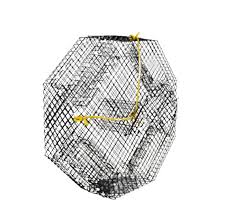
For nearly 35 years, EZ Puller Inc. has designed and hand-built fishing equipment in the USA — not just haulers, but the full range of supporting gear that keeps a hauling system running reliably. That includes davit mounts, electrical accessories, miscellaneous hardware, and hand-built pots, all engineered to work together rather than as disconnected add-ons.
Because every product is built from proven designs rather than mass-produced imitations, EZ Puller Inc.'s accessories are made to meet the same commercial-grade standards as its haulers — durable enough for daily commercial use, while remaining practical and accessible for sport fishermen building out their own setup.
Build a Setup That Actually Works Together
The right fishing accessories, tackle, gear, and equipment don't just fill space on your boat — they work together as a system that makes every trip more efficient and less physically demanding. If your current setup has gaps, whether that's a missing line tensioner, an outdated electrical switch, or a mount that isn't quite right for your hauler, now is a good time to close them.
Explore EZ Puller Inc.'s full range of fishing accessories, electrical components, mounts, and hand-built equipment, and put together a setup built specifically for the way you fish. Not sure where the gaps are in your current setup? Reach out to the EZ Puller Inc. team directly — they can help you identify what's missing and recommend the right accessories before your next trip on the water.
Frequently Asked Questions
1. What's the difference between fishing gear and fishing accessories?
Fishing gear generally refers to the core equipment used every trip, like mounts and hardware, while accessories are supporting components that improve performance, like electrical switches or line tensioners.
2. Why does saltwater-rated equipment matter so much?
Saltwater accelerates corrosion and wear on components not specifically designed for marine conditions, leading to faster degradation and more frequent replacements.
3. What fishing tackle is essential for a pot hauling operation?
Properly rated rope and secure rigging hardware are essential, since they directly affect how well your pots and hauler perform together.
4. Do I need a line tensioner if I already have an electric hauler?
A line tensioner complements an electric hauler by keeping the pulling process smoother and reducing wear on both the line and the hauler motor.
5. How do I know if an accessory is compatible with my current setup?
Checking mount sizing, electrical specifications, and general fit against your existing haulers and pots helps confirm compatibility before purchasing.
6. Are commercial-grade accessories worth it for recreational fishermen?
Many recreational fishermen choose commercial-grade accessories for their added durability, even when fishing at a smaller scale.
7. What electrical accessories are most important for an electric hauler?
A properly rated on/off switch and secure wiring components are among the most important electrical accessories for safe, consistent hauler operation.
8. How often should fishing accessories be replaced?
This varies by usage and material quality, but marine-grade accessories generally last significantly longer than general-purpose alternatives under regular saltwater use.
9. Can I mix accessories from different manufacturers?
While possible, using accessories designed to work together as a system, from mounts to electrical components, tends to provide more consistent and reliable performance.
10. Where can I find fishing accessories built specifically for commercial hauling setups?
EZ Puller Inc. offers a full range of USA-made fishing accessories, electrical components, and hardware designed to work seamlessly with its haulers and pots.