

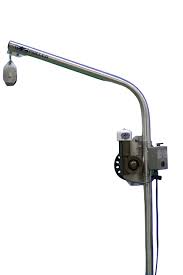
Every fisherman who's ever shopped for a pot puller runs into this fork in the road eventually. Gas units have a reputation for raw pulling power. Electric units have a reputation for being simple and clean. Ask around on any fishing forum and you'll get strong opinions in both directions — usually from people who've only ever run one or the other.
The truth is neither one is universally "better." What makes sense depends on what you're pulling, how often you're out, and what kind of boat you're running it from. Here's how to actually work through that decision instead of just picking whatever your dock neighbor has.
Why This Decision Trips People Up
Most fishermen comparing gas and electric pullers are really comparing secondhand impressions — a friend's older electric unit that felt underpowered, or a gas puller that worked great until it needed fuel mixed and hauled out to the boat every trip. Neither experience tells the whole story.
The comparison that actually matters isn't "gas vs. electric" as abstract categories. It's what each one costs you in daily use: fuel and maintenance versus battery draw and wiring, raw speed versus quiet simplicity, and how each one fits into the rest of your setup — your downriggers, your davit, your available deck space.
What Gas Pullers Actually Bring to the Table
Gas-powered haulers, typically built around small four-stroke engines, have a real advantage in raw pulling speed and torque. They're not drawing down a battery, so they can run hard, continuously, without worrying about amp draw or charge state. For fishermen pulling heavy commercial gear all day, that independence from the boat's electrical system is a genuine benefit.
But that power comes with real trade-offs:
- Fuel and oil handling — mixing fuel, keeping it fresh, and dealing with exhaust and fumes on a boat where space and ventilation are already tight
- Noise — a running gas engine is loud enough to make conversation and situational awareness harder while you're working
- Storage — gas units generally can't be stowed in an enclosed cabin, since fuel and exhaust residue aren't something you want trapped in an unventilated space
- Moving parts and maintenance — carburetors, spark plugs, and fuel systems all need upkeep, and marine environments are hard on small engines
- Safety around the motor — a spinning gas-powered capstan close to your hands while a boat is rocking is a real injury risk fishermen bring up often
For a boat that's out constantly, pulling heavy commercial loads all season, some fishermen find that trade-off worth it. For most others, it's more machine than the job actually calls for.
What Electric Pullers Actually Bring to the Table
Electric haulers run off your boat's existing 12V or 24V system, which means no fuel to carry, no exhaust, and no engine maintenance beyond the electrical side. They're quieter, easier to stow, and simpler to live with day to day — plug in, flip a switch, and go.
The trade-offs run the other direction:
- Battery draw — a puller working hard against a loaded pot pulls real current, so your electrical system needs to be sized correctly to keep up
- Perceived speed — older or lower-powered electric units earned a reputation for being slower than gas, especially on deep, heavy commercial strings
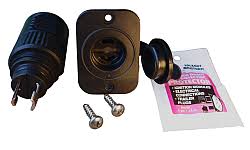
- Dependence on your boat's electrical setup — a puller is only as reliable as the wiring behind it
That last point is where a lot of electric pullers actually lose their reputation — not because the motor is underpowered, but because the wiring feeding it wasn't sized to let it perform the way it was built to. If you're weighing electric against gas because you've heard electric units are "too slow," it's worth reading through what size fuse and wire an electric pot puller actually needs before writing electric off — a properly wired unit performs very differently from an undersized one.
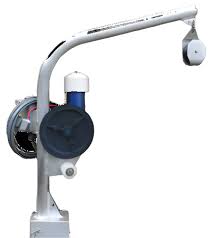
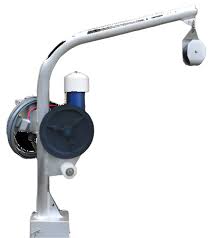
Modern electric haulers have also closed a lot of the power gap that older comparisons are still based on. Our Pro HT2 series — the high-torque line in our electric hauler lineup — was built specifically for fishermen who need commercial-grade pulling power without switching to gas.
How to Actually Decide
Instead of picking a side based on reputation, run through these questions:
- How often are you out, and for how long each trip? Heavy, near-daily commercial use is where gas's independence from a battery starts to matter more. Occasional to regular recreational or light commercial use is squarely electric territory.
- How deep and how heavy are your pots? Deeper water and heavier commercial pots demand more sustained pulling power — this is where choosing a higher-torque electric unit, rather than downgrading to a light-duty one, matters more than the gas-vs-electric question itself.
- What's your storage situation? If your puller needs to come off the boat or stow securely between trips, electric is dramatically simpler to store, plug, and unplug.
- What does your electrical system already support? A boat with a solid 12V or 24V setup and room for a properly fused circuit is ready for electric without much extra work. A boat with a marginal electrical system might need upgrades regardless of which puller you choose.
- How much do noise and exhaust matter to you? For fishermen who are also running electronics, communicating with a crew, or just want a quieter day on the water, this alone tips many people toward electric.
For most recreational fishermen and a large share of light-to-medium commercial operations, electric ends up being the more practical choice once wiring is done correctly. Gas still holds its ground for heavy, high-volume commercial work where raw independence from a battery is worth the added maintenance and noise.
Getting the Most Out of an Electric Setup
If you land on electric, the puller itself is only part of the equation. A solid setup depends on:
- A mount sized and built to handle the load without wobble — see our breakdown on why crab pot puller mounts wobble and how to fix it
- Wiring sized correctly for your specific motor — covered in our guides on fuse and wire sizing and wiring straight to the battery vs. through a fuse block
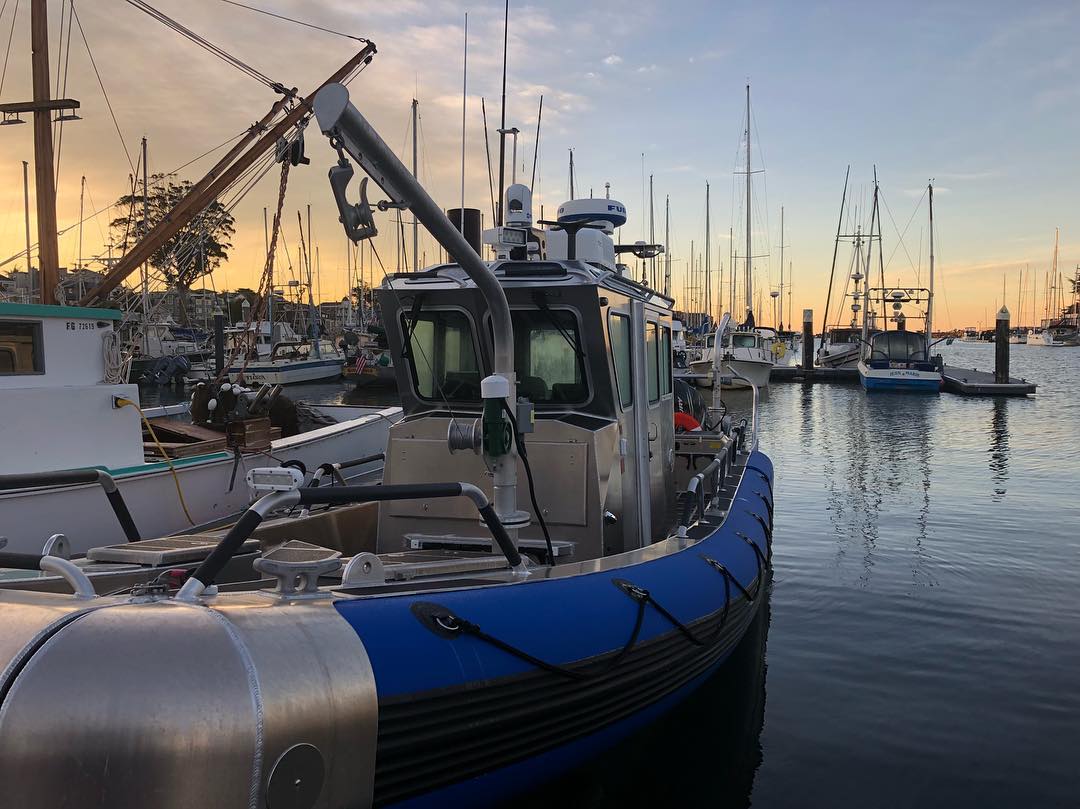
- A properly reinforced mounting point — our guide on mounting a davit without stressing your gunnel covers this in detail
Get those three things right, and the "electric isn't powerful enough" complaint mostly disappears — it was rarely the motor's fault to begin with.
Where EZ Puller Fits Into This Decision
We build exclusively electric — both our Electric Haulers and Manual Pullers — because for nearly 35 years, our focus has been building hauling systems that work with a boat's existing setup instead of adding fuel, exhaust, and engine maintenance to the mix. Our lineup ranges from standard 1.5" electric units for recreational and light commercial use up through our high-torque Pro HT2 series, built for the demands of heavier commercial pulling.
Every unit we build is designed and assembled in the USA from our own original designs, and paired with the right davit mount and wiring, it's built to handle serious, repeated commercial use — not just occasional recreational trips.
Making the Call for Your Boat
If you're still weighing gas against electric, the honest answer is that most fishermen land on electric once they understand what a properly sized, correctly wired setup can actually do — reserving gas for the narrower case of heavy, constant commercial hauling where independence from a battery genuinely outweighs the trade-offs.
Contact our team with details on your typical pulling depth, pot weight, and how often you're on the water, and we'll help you figure out which electric hauler in our lineup actually fits your fishing — not just the general category. You can also browse our full Electric Haulers lineup or find EZ Puller gear through our dealer network.
FAQs
Is a gas pot puller always more powerful than an electric one?
Not necessarily. Higher-torque electric models, like our Pro HT2 series, are built specifically to handle heavy commercial loads that were traditionally seen as gas-only territory.
Why do electric pullers have a reputation for being slow?
This usually comes down to wiring, not the motor. An undersized fuse or wire gauge limits how much power actually reaches the motor, which can make a capable unit feel underpowered.
Can I store a gas pot puller inside my boat's cabin?
It's not recommended. Fuel and exhaust residue make gas units unsuitable for enclosed, unventilated storage spaces.
Do electric pullers require a lot of maintenance?
Far less than gas units. Without an engine, fuel system, or oil to manage, upkeep mostly comes down to checking wiring and connections for corrosion.
Is electric fast enough for shrimping in deep water?
A properly powered, correctly wired electric unit can handle deep-water shrimping. Speed complaints usually trace back to underpowered units or undersized wiring rather than the technology itself.
What's the safety difference between gas and electric pullers?
Gas units involve a running engine and spinning components near your hands on a moving boat, which fishermen commonly cite as a real injury risk. Electric units carry lower mechanical risk but still require careful wiring to avoid electrical hazards.
Does my boat need a special electrical system for an electric puller?
Most 12V or 24V marine electrical systems can support an electric puller as long as the circuit is sized correctly for the motor's draw.
Which is better for occasional recreational use — gas or electric?
Electric is generally the better fit for occasional use, thanks to easier storage, no fuel handling between trips, and simpler startup.
Can I upgrade from a standard electric puller to a higher-torque model later?
Yes, though it typically means reassessing your mount and wiring to make sure both are sized for the higher-torque unit's demands.
How do I know which EZ Puller electric model fits my fishing?
Reach out with your typical pot weight, pulling depth, and frequency of use, and our team can point you to the right model in our lineup.