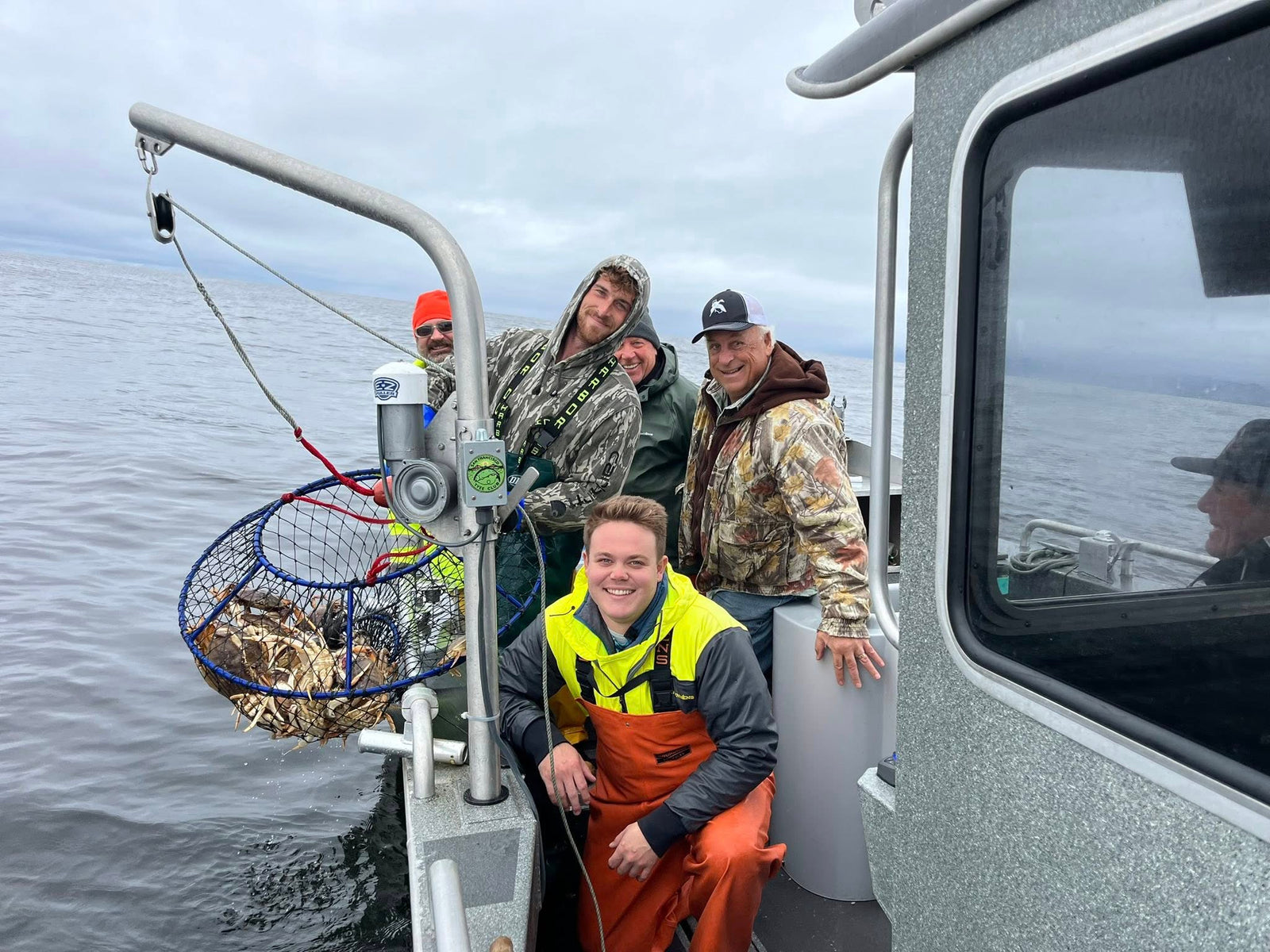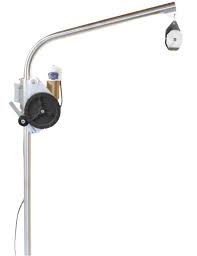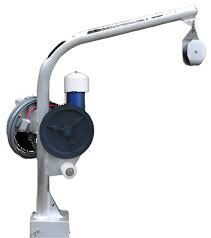

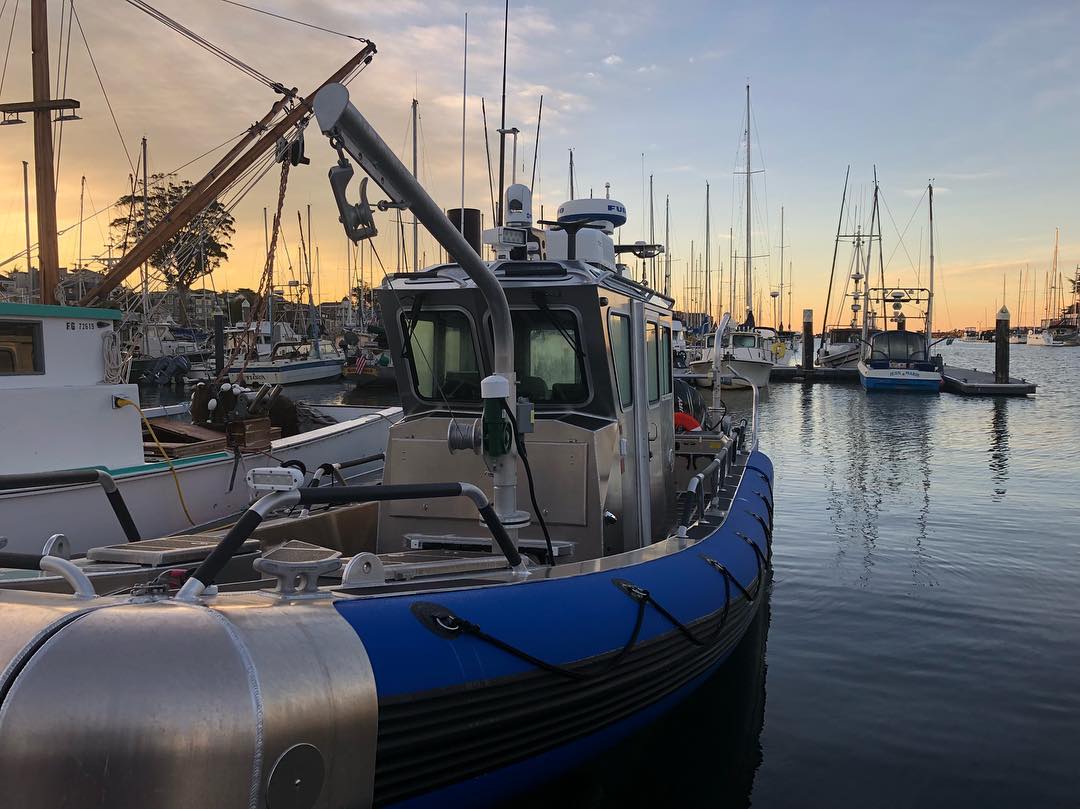

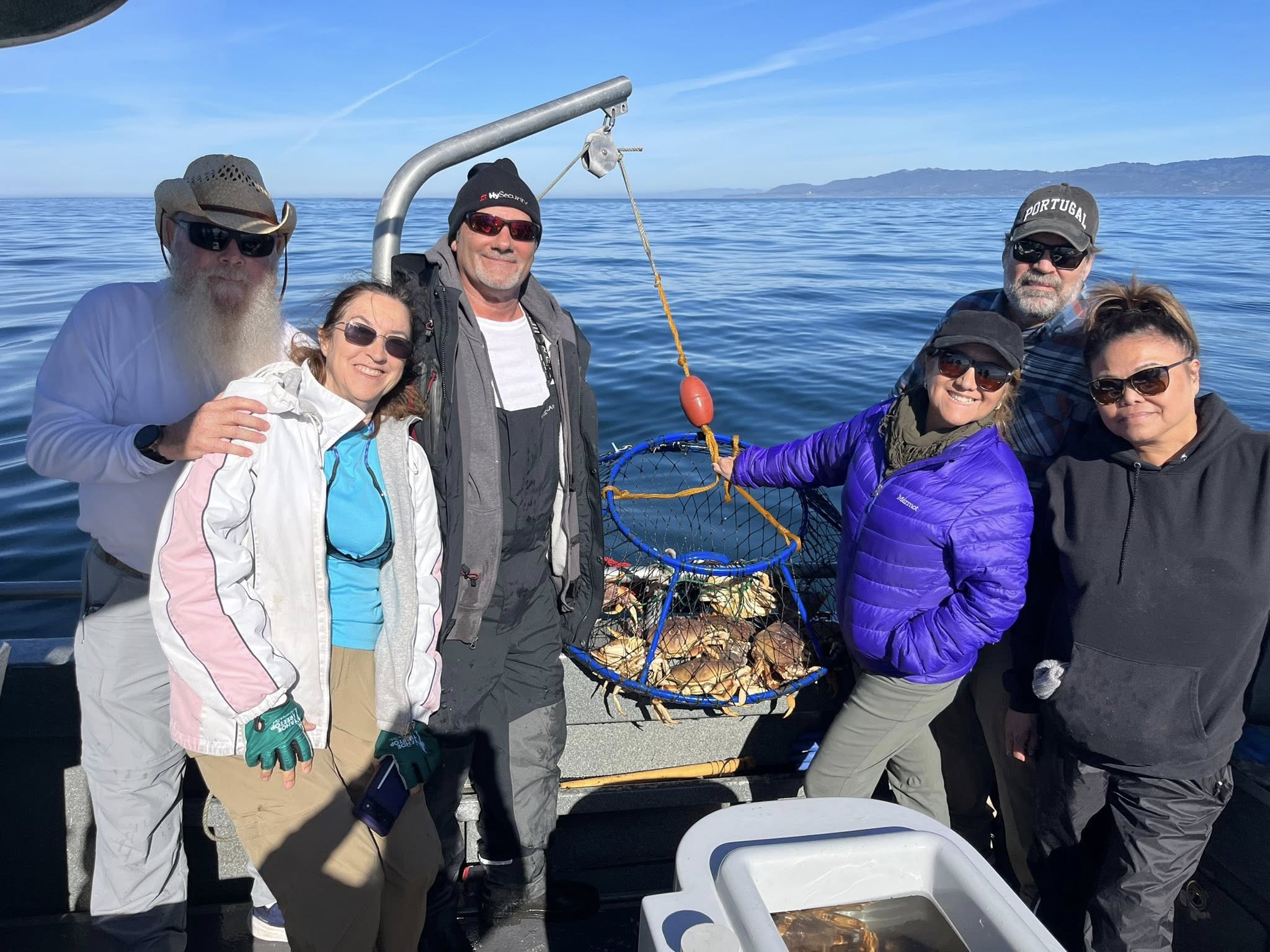
A pot puller takes the worst of the strain off your back. It also adds spinning pulleys, a heavy pot swinging at the end of an arm, and a powerful motor on a wet boat. Used well, it’s safer than hauling by hand. Used carelessly, it can hurt you faster than a rope ever could.
Most injuries come from the same few habits. Here’s how to avoid them.
Short answer: Turn the puller off before the pot reaches the top, keep hands and loose clothing away from pulleys and line, keep loose line off the deck, never overload the unit, and protect the electrical circuit with a fuse close to the battery. Mount the puller so you never have to lean to lift, and control the swing of the pot every time.
Why Safety Deserves Its Own Page
Fishing decks are hard on people. NIOSH reports that among West Coast Dungeness crab fishermen, fractures were the most common serious injury, often from working with crab pots and pulleys. The same page warns that high-tension lines running through haulers and winches can cause serious contact injuries, and that long hours of hauling create ergonomic strain.
A puller helps with the strain. The rest of the risk is up to how you set up the boat and how you work.
The 10 Rules
1. Turn It Off Before the Pot Reaches the Top
Never try to lift a trap over the gunnel with the unit still running. Makers of popular line pullers say the same thing in their manuals: when the trap reaches the surface, shut the unit off. Running the pot into the block can also trip the breaker or damage gear. Stop the motor, then lift.
2. Keep Hands and Clothing Away From Pulleys and Line
The roller and moving line are the pinch points. Keep your fingers off them while the motor runs. Wear a close-fitting jacket, and avoid loose cuffs, drawstrings, and dangling gloves. Winch safety alerts from workplace regulators describe loose wet-weather jackets catching on rope loops and dragging workers into rotating drums. A hauler isn’t a winch drum, but the lesson carries over.
3. Keep the Deck Free of Loose Line
Rope on the deck is how people end up in the water. NIOSH’s research on lobstermen found that keeping the deck free of loose lines is a key way to reduce entanglement, and recommends line bins mounted under the pot hauler or line lockers below deck to catch rope while you work. Coil line into a bin or bucket as it comes aboard.
4. Never Stand in a Bight
A bight is any loop or coil of line that could tighten. Keep your feet out of coils, and don’t let line pile up around you while the puller runs. If a pot snags or a set pulls tight, a loop around your leg is the worst place to find yourself.
5. Mount It So You Never Have to Lean
If you have to reach or lean a long way to lift a heavy pot over the gunnel, the mount is in the wrong place or the arm is too low. A taller arm lifts the pot higher before you swing it in. Use a solid, sleeved base so the arm doesn’t wobble under load. Our davit mounts are built to sit tight against the pipe.
6. Control the Swing
A pot swinging on a rocking boat can hit like a wrecking ball. Pull the pin that holds the arm only when the pot is fully up, keep a firm hold as it swings, and shorten the line so the pot doesn’t dangle far below the arm. One shrimper makes his harnesses longer so the pot stays in the water rather than swinging free. Let the boat settle before you swing.
7. Don’t Overload the Unit
An overloaded puller slows, runs hot, and trips breakers, and the line itself can part under too much load. Know your puller’s rated load and your rope’s strength. Our guide on how much pulling power you actually need for recreational vs. commercial crabbing walks through sizing. Leave a margin, and inspect your rope for chafe and sun damage.
8. Protect the Electrical Circuit
An electric puller draws real current. Use marine-grade tinned wire, put a fuse or breaker close to the battery, and give the puller its own circuit. Don’t oversize the breaker to stop it from tripping. If the breaker keeps tripping, find out why, starting with our guide to why your electric puller keeps tripping the breaker. Keep connections sealed and dry.
9. Put the Off Switch Within Reach
You should be able to cut power instantly without leaning past moving parts. Mount the switch where you can hit it with either hand. Our electrical accessories include a 12VDC 50-amp on/off switch made for EZ Puller models. Some fishermen add a foot switch so both hands stay free to guide the line. If you’re thinking about one, ask us what works with your model.
10. Plan for the Bad Day
Wear a life jacket, and non-skid footwear. NIOSH recommends eliminating slip and trip hazards with non-skid surfaces and using emergency-stop devices on deck machinery. Carry a sharp, sheathed knife you can reach with either hand, and make sure someone knows your plan. If you fish alone, tell a person ashore where you’re going and when you’ll be back.
Quick Pre-Haul Checklist
- Life jacket on, footwear gripping, and clothing close-fitting
- Deck clear of loose line, with a bin or bucket ready
- Puller mount solid, with no wobble in the arm
- Switch within reach, and the breaker or fuse in place
- Line path clear, and roller turning freely
- Pot weight and depth within your puller’s rating
- Boat positioned so the line comes up straight
- Boat settled before you swing the pot
Small Boats Add Their Own Risks
On a skiff, a heavy pot swinging outboard shifts weight and affects stability. If you fish alone, you’re driving, hauling, and handling the pot at once. Keep the boat in position, pull in calm water when you can, and make sure the puller side matches how you approach floats. Our guide on electric vs. manual crab pot pullers for a small boat or skiff explains how weight and space change the choice.
FAQs
Is an electric pot puller safe?
It can be, with correct mounting, wiring, and habits. Most hazards come from moving parts, loose line, and overloading.
Should the puller be running when the pot comes over the rail?
No. Shut it off when the pot reaches the top, then lift and swing.
What should I wear?
A life jacket, non-skid boots, and a close-fitting jacket without loose cuffs or drawstrings.
How do I avoid getting tangled in line?
Keep the deck clear, coil line into a bin as it comes in, and never stand in loops or coils.
Does a bigger puller make it safer?
Only if it matches your load. Oversizing doesn’t help if the mount, wiring, or rope can’t handle it.
Questions About Setting Up Safely?
Send us your boat, gunnel layout, and puller model, and we’ll help you choose a mounting spot, switch location, and wiring plan that keep you in control. Contact our team. We’ve built electric haulers in the USA for nearly 35 years, and we’d rather help you set up safely than hear about a close call.