

Buy too little pulling power and you're fighting your own equipment every haul, watching a puller strain and stall on pots it should handle without effort. Buy too much and you've spent commercial-grade money on a unit that's overkill for a weekend crabber pulling a handful of pots a few times a season. Neither mistake is cheap, and both come from the same root problem: guessing at power needs instead of actually calculating them.
Pulling power isn't a single number you can shop by. It's the combination of pot weight, depth, line length, and how many pots you're running per string — and recreational and commercial crabbing sit at genuinely different points on that scale.
Why "How Much Power Do I Need" Is Harder to Answer Than It Sounds
Motor specs on a pot puller usually list horsepower or torque, but that number alone doesn't tell you whether a unit can handle your setup. A puller rated fine for a single 25-pound recreational pot in 60 feet of water can be badly undersized for a commercial string of heavier pots run in significantly deeper water — even though both are technically "crab pots."
What actually determines the load on a puller is the combination of:
- Pot weight, both empty and loaded — a full pot with crab, bait, and waterlogged rope weighs meaningfully more than an empty one
- Depth — more line means more weight from the rope itself, plus more time and wear per haul
- Number of pots per string — commercial operations often run multiple pots on one line, multiplying the cumulative load
- Current and conditions — a puller working against current or a swinging boat has to do more than the pot's static weight suggests
This is why two fishermen can both say "I crab" and need completely different equipment.
What Recreational Crabbing Typically Requires
Most recreational crabbers are running one or two pots at a time, in relatively shallow water — often well under 150 feet — with pots in the 15 to 30 pound range even fully loaded. The physical demand here is real, especially on a bad back after a full day of pulling by hand, but it's a fraction of what commercial operations deal with.
For this kind of use, a standard-duty electric puller — something built for consistent, moderate pulling rather than continuous heavy-duty cycles — is usually more than adequate. The priority for recreational setups tends to be ease of use, simple storage, and a puller that doesn't feel like overkill for a weekend on the water, rather than maximum raw torque.
Where recreational crabbers sometimes get this wrong is at the depth extreme — shrimping or crabbing well beyond typical recreational depths with a unit that was really built for shallower, lighter work. If you're regularly pulling from deeper water even as a recreational fisherman, it's worth sizing up rather than assuming "recreational" automatically means "light-duty."
What Commercial Crabbing Actually Demands
Commercial operations change the equation substantially. Multiple pots per string, deeper sets, heavier pots, and dozens of pulls per trip — repeated day after day through a season — put a completely different kind of load on a puller than occasional recreational use.
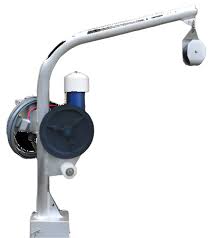
This is where a high-torque unit stops being optional. Our Pro HT2 series was built specifically for this kind of continuous, heavy-duty commercial pulling — the kind of use where a puller isn't just occasionally working hard, it's working hard constantly, trip after trip, for months at a time.
Commercial fishermen also need to think about duty cycle, not just peak power. A motor that can technically pull a heavy pot once isn't the same as one built to do it reliably hundreds of times a week without overheating, wearing out early, or drawing more current than your electrical system can sustain. This is part of why correctly sized wiring matters even more on a commercial setup — a high-torque motor needs a circuit built to actually deliver the current it's rated for.
How to Actually Estimate What You Need
Instead of guessing, work through these factors for your specific setup:
- Estimate your heaviest realistic loaded pot weight — not the empty weight, and not your lightest pot, but what you're actually pulling on your hardest day.
- Account for line and depth — the deeper you fish, the more the rope itself adds to total pulling load, separate from the pot.
- Factor in pots per string — if you're running multiple pots on one line, your puller needs to handle the combined weight, not just one pot's worth.
- Be honest about frequency — a puller pulling a handful of times a week wears very differently than one pulling dozens of times a day, even if peak load is similar.
- Leave a margin, not a maximum — sizing right at your heaviest expected load with no buffer means every rough day pushes your equipment to its limit.
Fishermen who undersize almost always do it by only accounting for a "typical" pull and not their worst-case one — the deepest set, the heaviest pot, the day conditions make everything harder than usual.
Matching Power to the Rest of Your Setup
Pulling power doesn't exist in isolation. A high-torque puller that's mismatched with an undersized mount or wiring circuit won't perform the way it's rated to. If you're stepping up to a higher-power unit for commercial use, it's worth revisiting:
- Your mount — heavier, more frequent pulling puts more cumulative stress on a davit or gunnel mount, which is exactly the kind of load our guide on why puller mounts wobble and how to fix it addresses
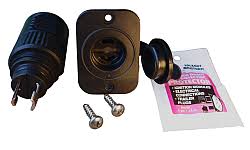
- Your wiring — a more powerful motor draws more current, and the circuit feeding it needs to be sized accordingly, whether you're running direct to the battery or through a fuse block
- Gas vs. electric — if you're at the very top end of commercial demand, it's worth revisiting our breakdown of gas vs. electric pullers to confirm electric still fits before assuming you need to switch
Getting power right and everything supporting it wrong just moves the bottleneck somewhere else.
Our Lineup, Sized for Both Ends of This Spectrum
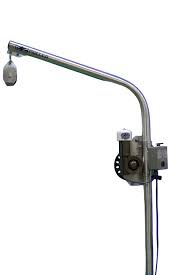
We build our electric hauler lineup specifically so recreational and commercial fishermen aren't forced into a one-size-fits-all unit. Standard 1.5" electric pullers handle recreational and light commercial pulling well, while our Pro HT2 series — available in both 1.5" and 2" configurations — is built for the continuous, heavy-duty demands of full commercial operations. For fishermen who don't need a motor at all, our manual pullers remain a solid, low-maintenance option for light recreational crabbing.
Every unit is hand-built in the USA from our own original designs, and for nearly 35 years, that's meant building equipment sized honestly for the job it's going to do — not overselling recreational fishermen on commercial power they don't need, or undersizing commercial operations that need every bit of torque they're paying for.
Getting the Right Fit for Your Actual Fishing
If you're not sure where your setup falls between recreational and commercial demand, that's a conversation worth having before you buy — not after a season of finding out the hard way. Contact our team with your typical pot weight, depth, and how many pots you're running per string, and we'll help you land on the right unit from our Electric Haulers lineup. You can also find EZ Puller equipment in person through our dealer network.
FAQs
How do I know if I need a standard or high-torque puller?
Estimate your heaviest realistic loaded pot weight, your typical depth, and how many pots you run per string. If those numbers push toward the higher end, a high-torque unit like our Pro HT2 series is worth the investment.
Can a recreational-grade puller handle occasional deep-water pulls?
It depends on how far outside typical recreational range you're pulling. Occasional deeper sets may be fine, but consistently deep or heavy pulls are a sign you should size up.
Is more pulling power always better?
Not necessarily. More power without a matched mount and wiring setup doesn't translate into better performance, and it adds cost that recreational fishermen usually don't need to spend.
Do commercial fishermen always need a 2" davit setup?
Not always, but heavier commercial loads often benefit from the added strength of a 2" system. It depends on your specific pot weight and pulling frequency.
How does line length affect the power I need?
Longer lines add more weight from the rope itself, on top of the pot's weight, which increases the total load your puller has to handle on every pull.
What happens if I undersize my puller for commercial use?
The motor works harder than it's rated for on every pull, which accelerates wear, increases the chance of stalling under heavy loads, and shortens the unit's working life.
Should I buy the most powerful puller available just to be safe?
Not necessarily — oversizing adds unnecessary cost, and pairing a very high-torque motor with a mount or wiring setup that isn't built for it can create its own problems.
Does running multiple pots per string change what puller I need?
Yes. Multiple pots on one line multiply the total load your puller has to pull, which is a key difference between typical recreational and commercial setups.
Is the Pro HT2 series only for commercial fishermen?
It's built primarily for heavy, continuous commercial use, but any fisherman regularly pulling heavy pots from deep water can benefit from its higher torque.
Who can help me figure out the right power level for my specific fishing?
Our team can walk you through your pot weight, depth, and frequency of use to recommend the right unit from our lineup — reach out through our contact page with those details.